.png)
A Closer Look At Annecy’s 12 Mifa Feature Pitches, Global Animation’s Most Promising Projects
Stay informed with free updates
Sign up to get our news digest — delivered directly to your inbox twice a week.
The Mifa pitches are always a highlight of any Annecy edition, offering a showcase for the next big things in animation and a chance to get in on the ground floor of films we could be talking about for years.
This batch of 12 feature film projects was whittled down by the festival’s selection team from 213 submissions. Across all pitch categories, 48 projects were selected from more than 400 entries. As is customary, there is a French bias in the lineup, but talent from countries including India, China, Brazil, Mexico, and Indonesia also gets a chance to shine. Here’s our rundown of this year’s Mifa feature film pitches.
Rise of Ying Ge
Country(s): China, France
Director(s): Denis Do
Runtime: 80 mins
Audience: Families
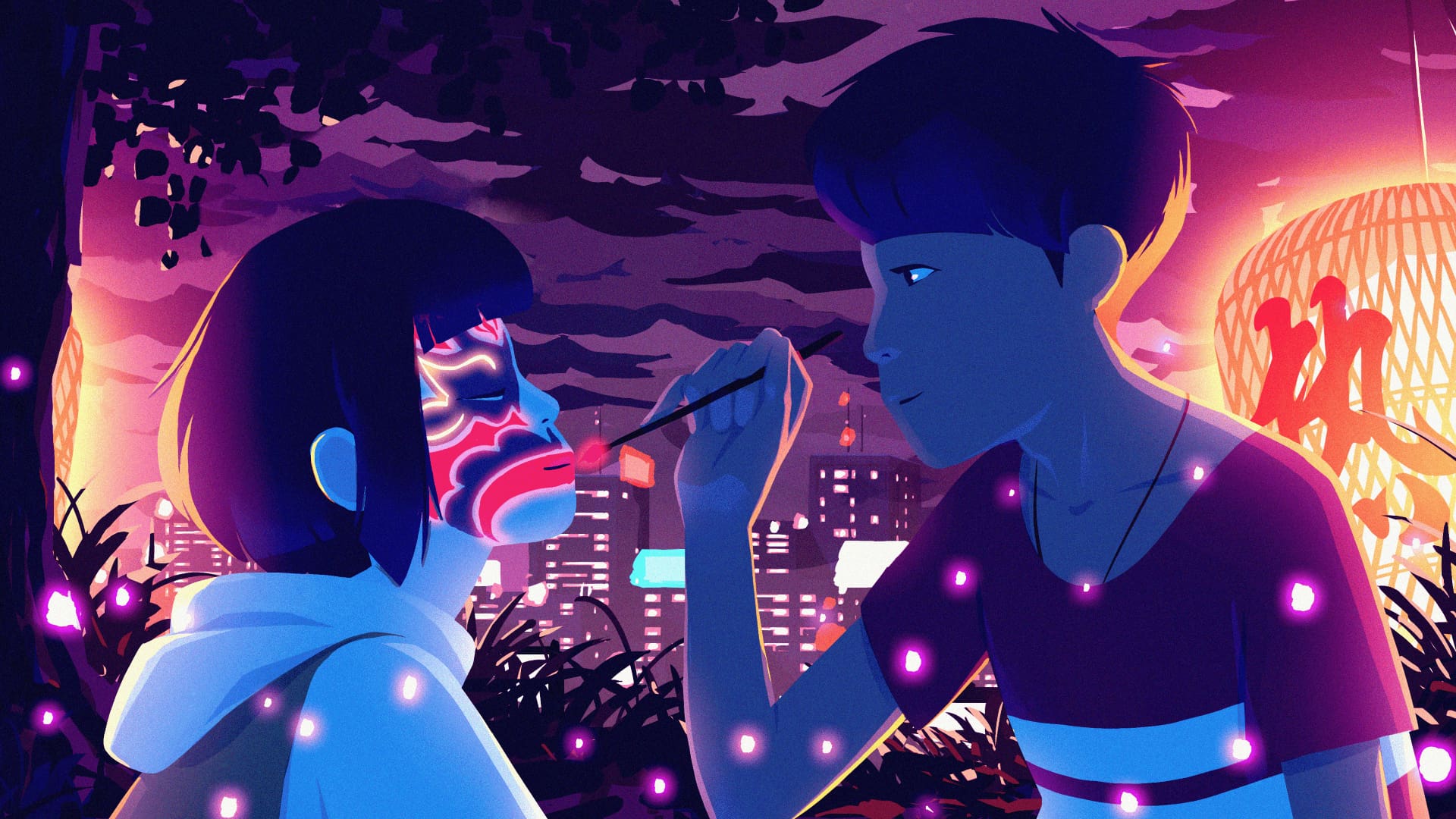
The first pitch of the day proved to be one of the most arresting, unsurprisingly given the pedigree of its director. This Chinese-French co-production is a parallel tale set across the real and spiritual worlds and built around Ying Ge, a form of traditional Chinese dance. It follows a 14-year-old Chinese girl living in Paris who discovers more about her culture and family history through Ying Ge and her perilous journeys into the spirit world.
The film is mostly 2D with a strong painterly aesthetic, but incorporates motion capture to capture the intricacies of Ying Ge dance. Director Do, whose 2018 film Funan won the Annecy Cristal for best feature that year, stressed that the film does not exist to explain the tradition, but simply to display its beauty.
Wilderness of the Greenriver
Country(s): France
Director(s): Ellis Kayin Chan
Runtime: 90 mins
Audience: Adults
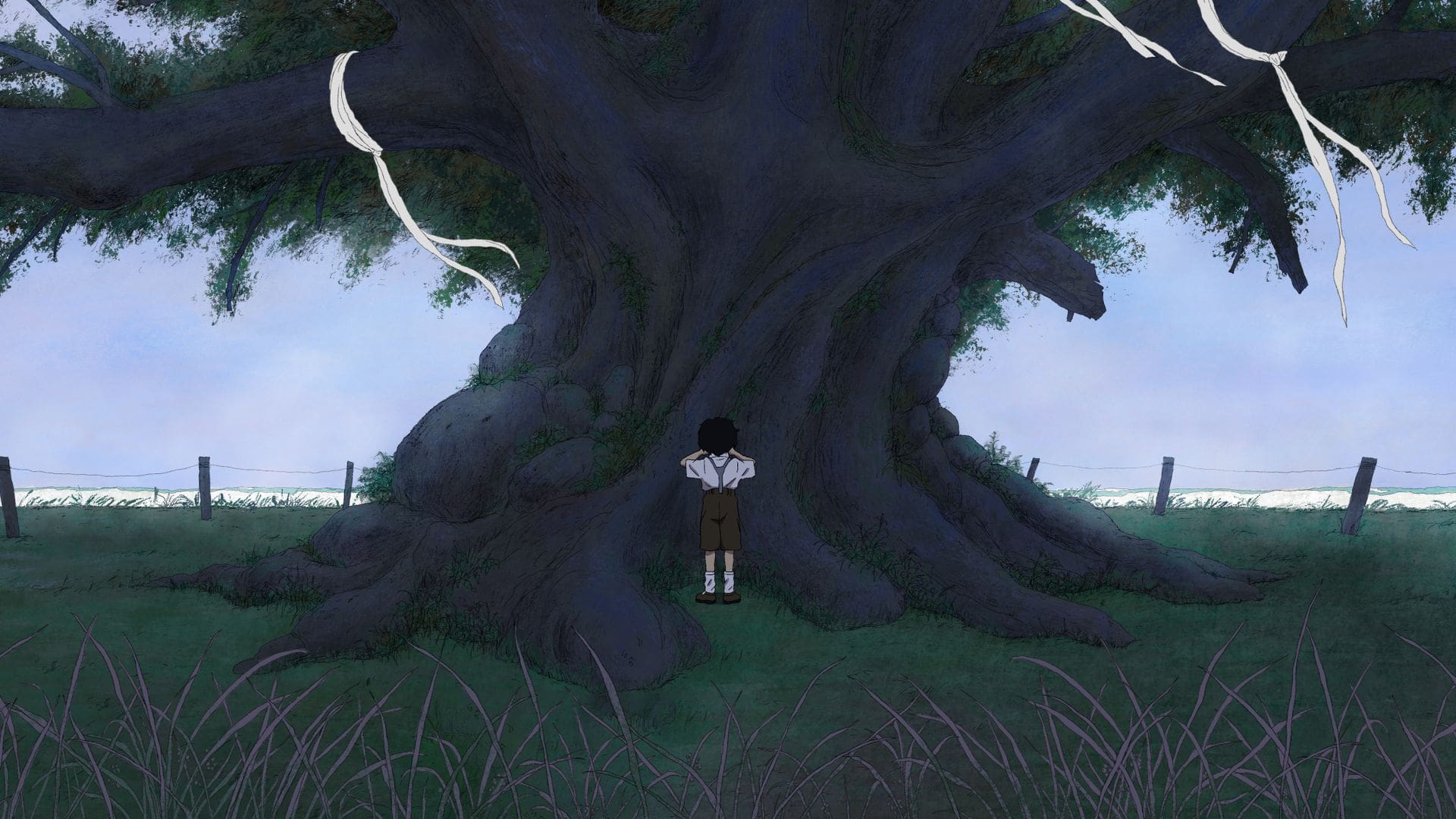
This meditation on grief and pain looks to be a high-concept, dark, soft sci-fi exploration of the human psyche. Highly ambitious and possessing a unique atmosphere, Wilderness of the Greenriver is based on director Chan’s experience of becoming estranged from, and eventually losing, his sister.
In the film, the protagonist loses his mother at a young age and embraces a technology that allows people to forget their pain, living in constant fear of being hurt. The footage shown featured unsettling, desaturated 2D animation, a style Chan (Monsoon Blue, Bluebird in the Wind) emphasized for its ability to express intimate human emotion.
All the Softness in the World
Country(s): France
Director(s): Ayce Kartal
Runtime: 100 mins
Audience: Adults
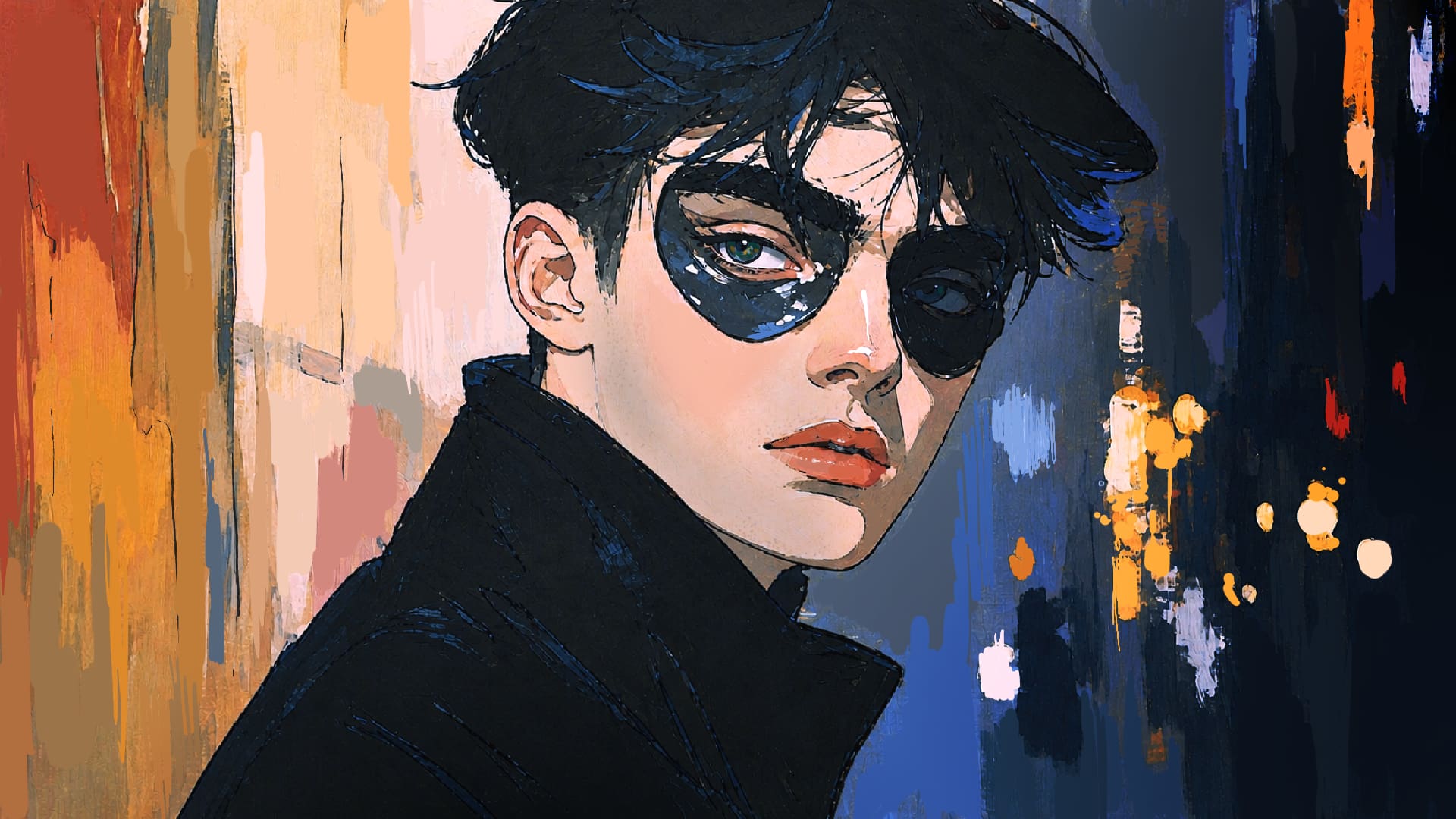
From 2017 Annecy jury award and César-winner Ayce Kartal (Wicked Girl), All the Softness in the World aims to immerse itself in queer culture, following a Turkish-born boy who is raised as a girl for his own protection. As an adult, he begins to form his own identity, finding a home within queer and fashion communities in 1970s Paris.
No animation was shown, but the film appears to embrace all the glamour and style of the fashion world while acknowledging its darker undercurrents. Though created in highly stylized 3D animation, the feature achieves a look that feels entirely 2D.
Uncle Jo’s Cabin
Country(s): France, Belgium
Director(s): Maud Garnier, Marc Robinet
Runtime: 75 mins
Audience: Families
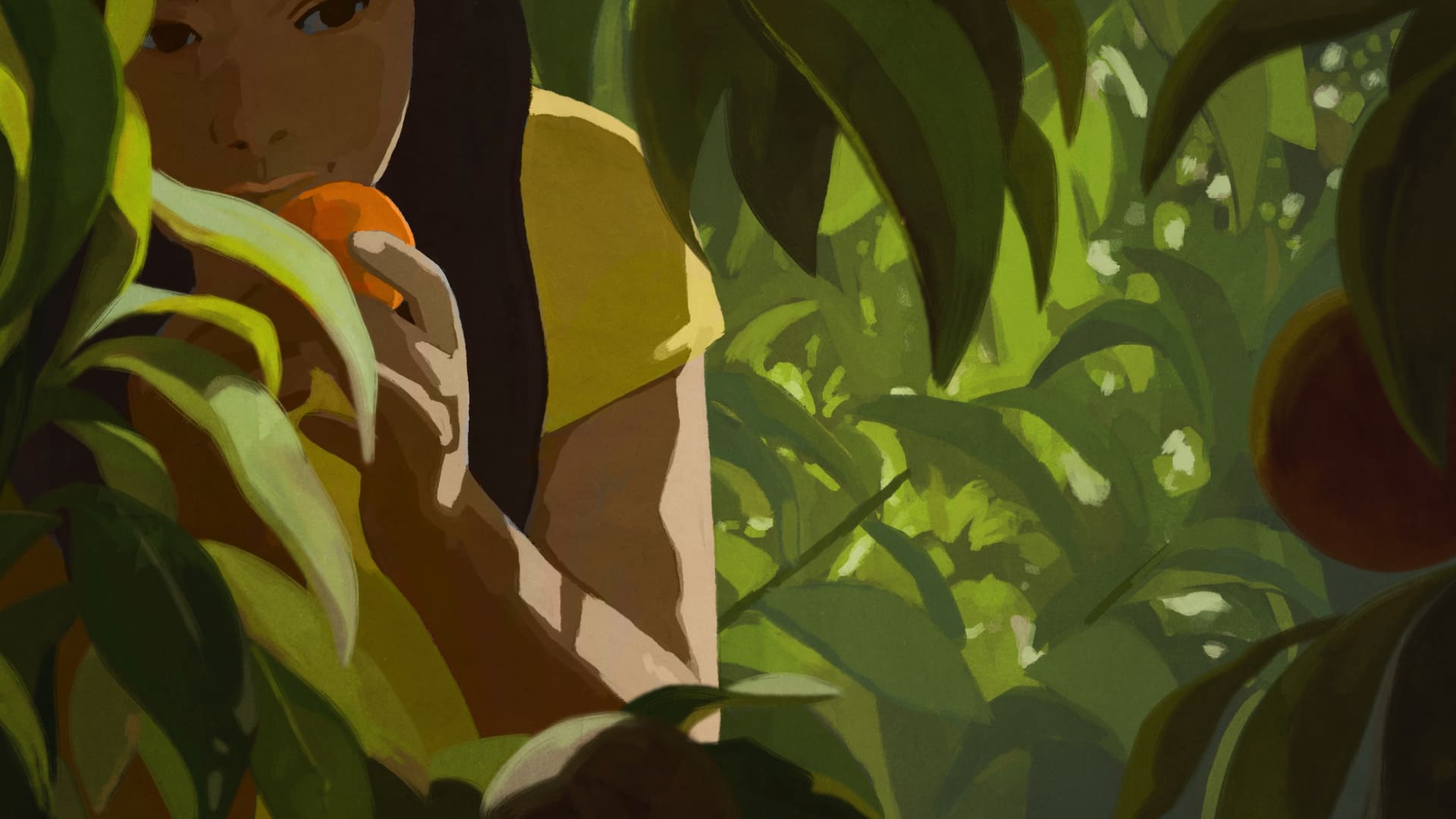
Gentle in both its color palette and storytelling, Uncle Jo’s Cabin tackles grand themes on an intimate scale. Adapted from the novel by Brigitte Smadja, the Annecy Festival Residency project follows a girl uprooted from Tunisia in the late 1960s who is forced to find a new home and seeks refuge in a neighbor’s garden.
The animation samples showcased a form of rotoscoping that resembled a moving oil painting, creating a style that felt both realistic and heightened. The story is equally evocative, highlighting the importance of human connection while exploring lesser-known aspects of Tunisian history.
The Wanderers of Time
Country(s): Peru
Director(s): Siwar Peralta
Runtime: 90 mins
Audience: Teens and adults
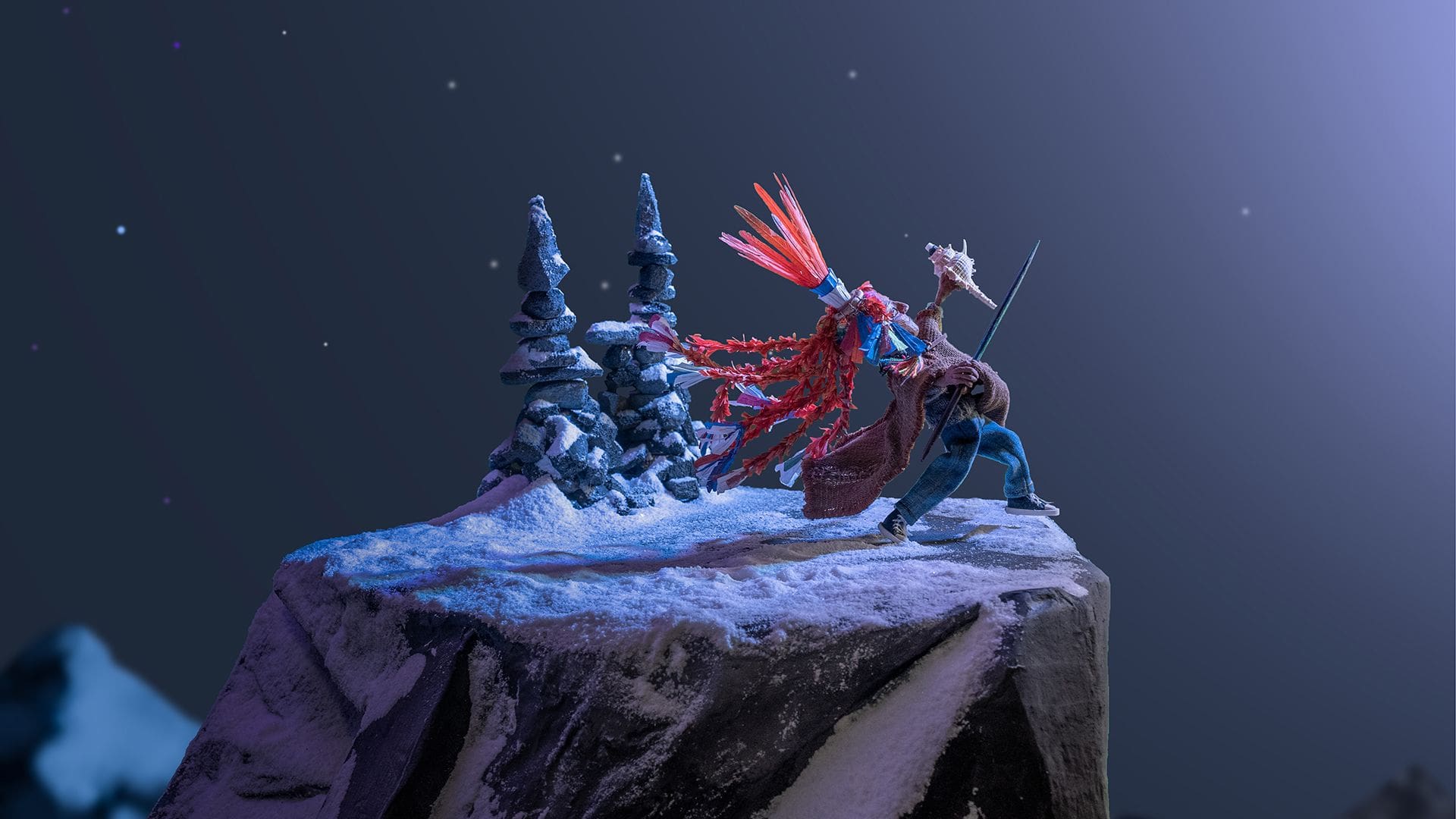
Following in the footsteps of Mexico and New Zealand, Peruvian filmmakers are aiming to create the country’s first stop-motion feature. The Wanderers of Time (Pachapuriqkuna in Quechua) represents the culmination of a 20-year journey for director Huaman, who became determined to put Peruvian culture on screen after seeing it misrepresented on television as a child.
Set in a village in the Amazonian Alps, the film focuses on aspects of human existence that transcend time, including love, death, and culture. A brief animation sample revealed gorgeous 2D backgrounds paired with detailed stop-motion work. The puppets draw inspiration from the Peruvian tradition of creating miniatures as offerings to deities and the dead, with intentional imperfections designed to evoke memories rather than reality.
Hermien
Country(s): Switzerland
Director(s): [Not provided]
Runtime: 72 mins
Audience: Kids
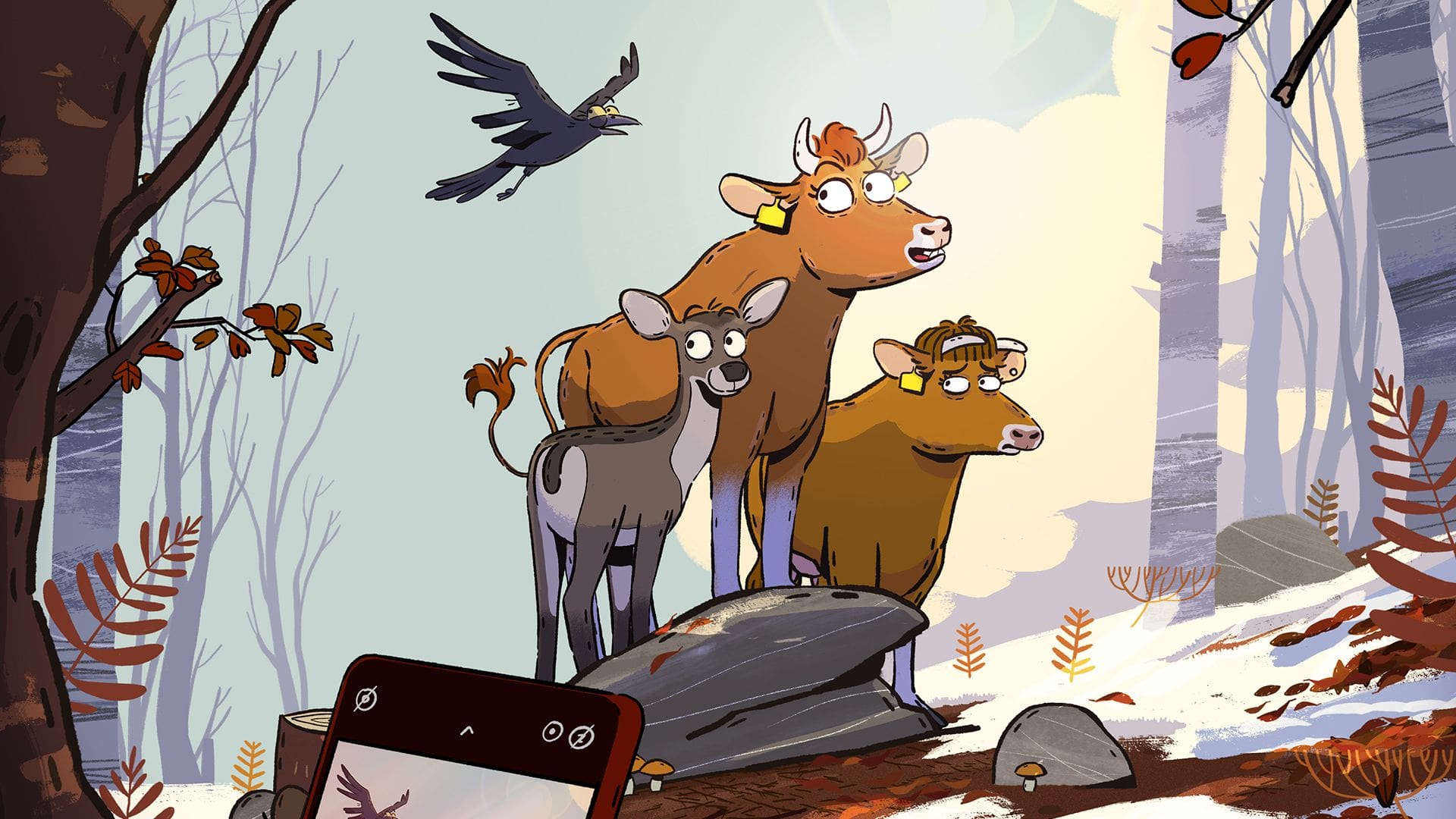
This Swiss production is a charmingly unusual adaptation of a true story from the Netherlands. A few years ago, a cow escaped from a slaughterhouse and captured the public imagination. Here, her story is reimagined as a coming-of-age adventure.
Hermien must survive alone in a dangerous forest while dreaming of one day reaching Leemweg, a cow sanctuary. Geared toward younger audiences than many of the other pitches, the project adopts a hand-drawn visual style featuring simple character designs and distinctive ping-pong-ball eyes.
Holy Shadow
Country(s): Argentina
Director(s): Paula Boffo, Patricio Plaza
Runtime: 80 mins
Audience: Adults
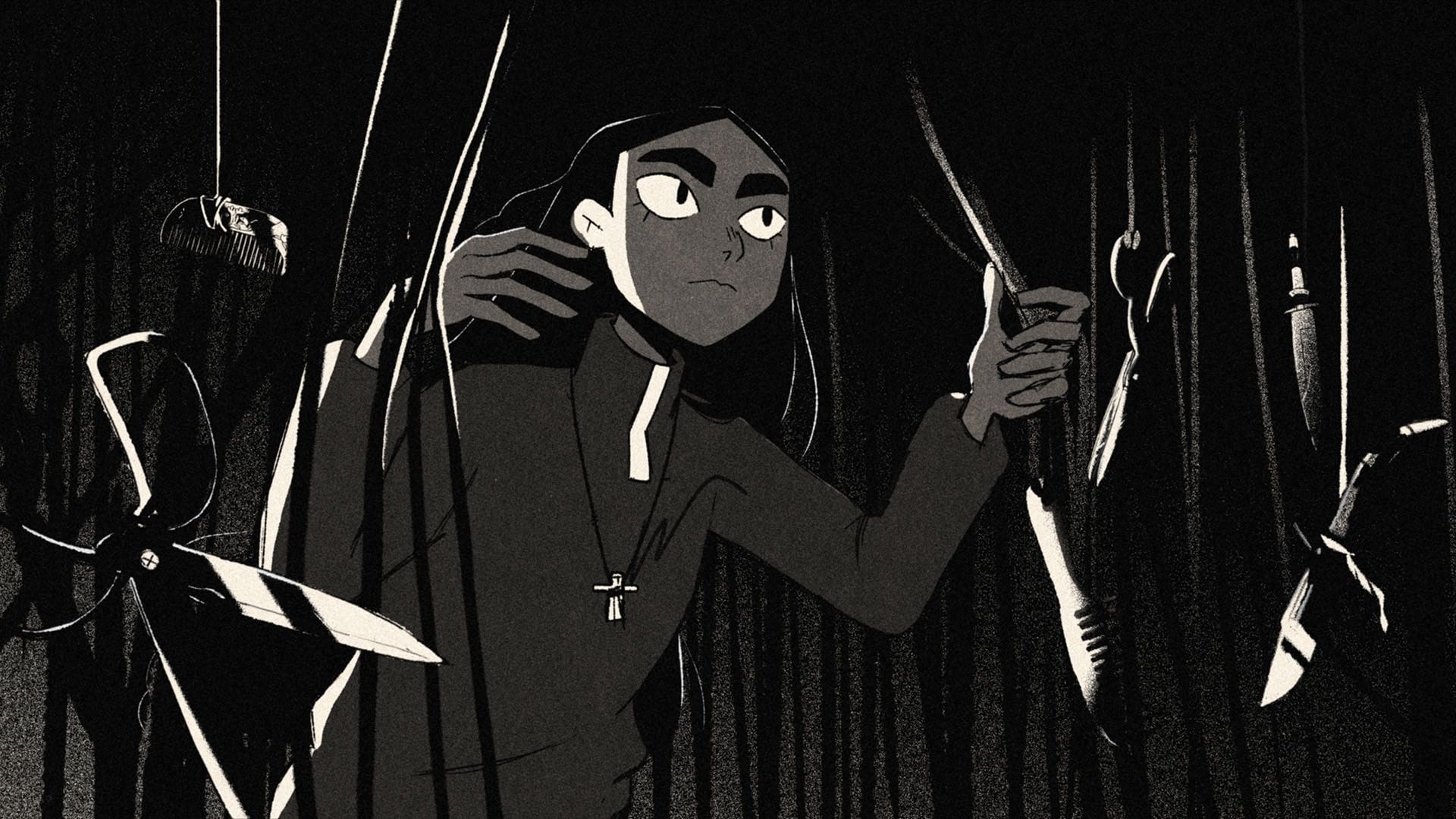
Few projects captivated the audience as completely as the violent, justified, and dynamic Santa Sombra. Adapting her own graphic novel, Boffo, who co-directed last year’s breakout Argentine short Luz Diabla, drew inspiration from gender politics in Argentina, where a femicide is committed every 38 hours.
The film is a twisted power fantasy about a girl searching for her missing sister, who turns to dark forces that grant her rage-fueled abilities. As she tracks her sibling across Argentina, she also frees women from gender-based violence, becoming a local myth. Drawing from traditionally male-dominated genres such as folk horror, film noir, and westerns, Santa Sombra seeks to transform the male gaze into female rage.
Lights of April
Country(s): Mexico
Director(s): Jorge Rojo
Runtime: 90 mins
Audience: Young adults
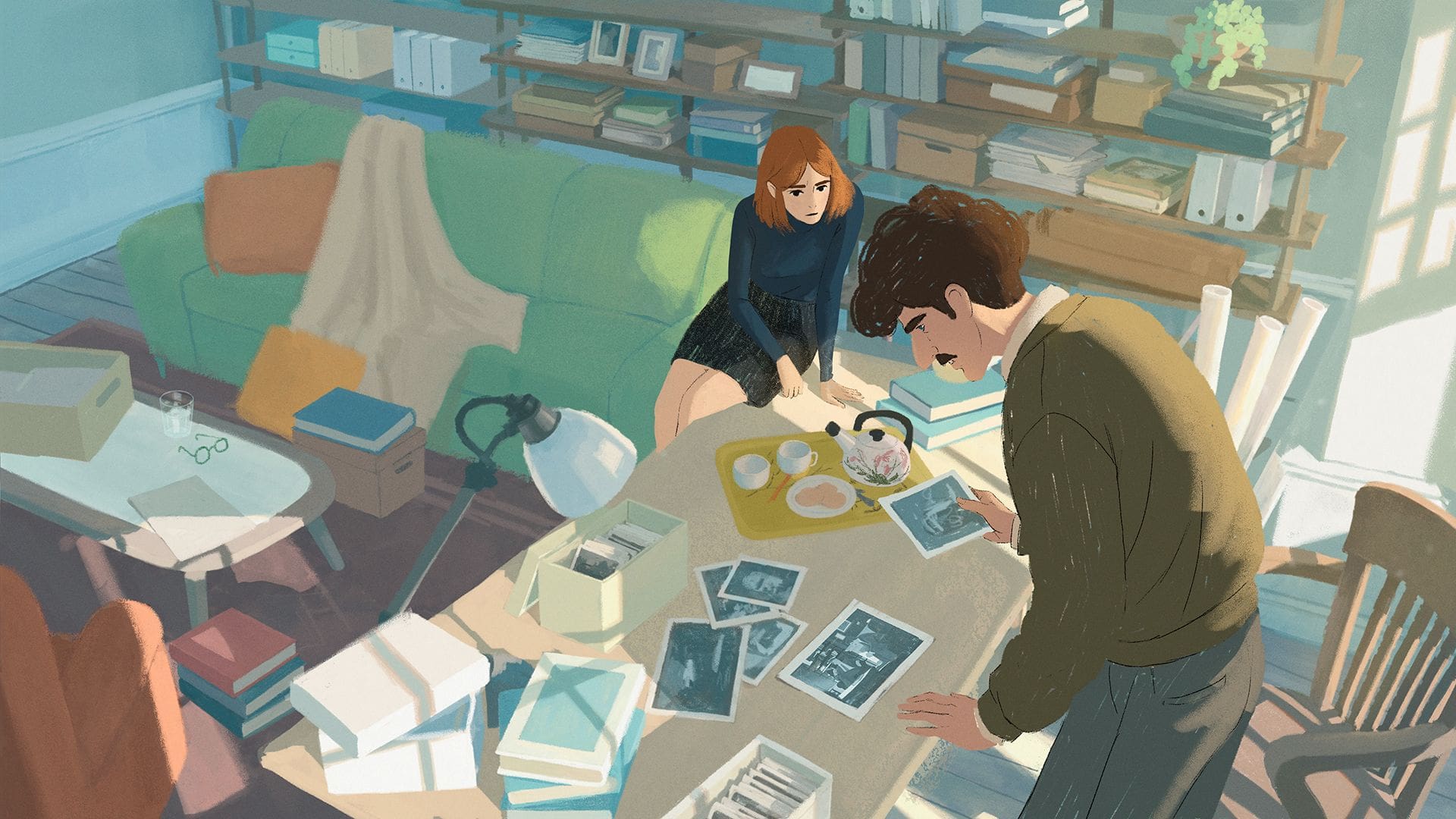
This story begins in 1967 Mexico, where a boy sets out to find his long-lost father. His search takes him to London, where he encounters a half-sister who has also struggled with the same absent parent.
What follows is a grounded and deeply human story about understanding one’s roots and accepting the circumstances life hands us. Lights of April employs a crayon-like 2D style created with grease pencil techniques in Blender. The resulting scribbles, gaps, and textures give the film a warm tactility and make the world feel vividly alive.
Four Seasons, Two Idiots
Country(s): France
Director(s): Céline Devaux
Runtime: 75 mins
Audience: Adults
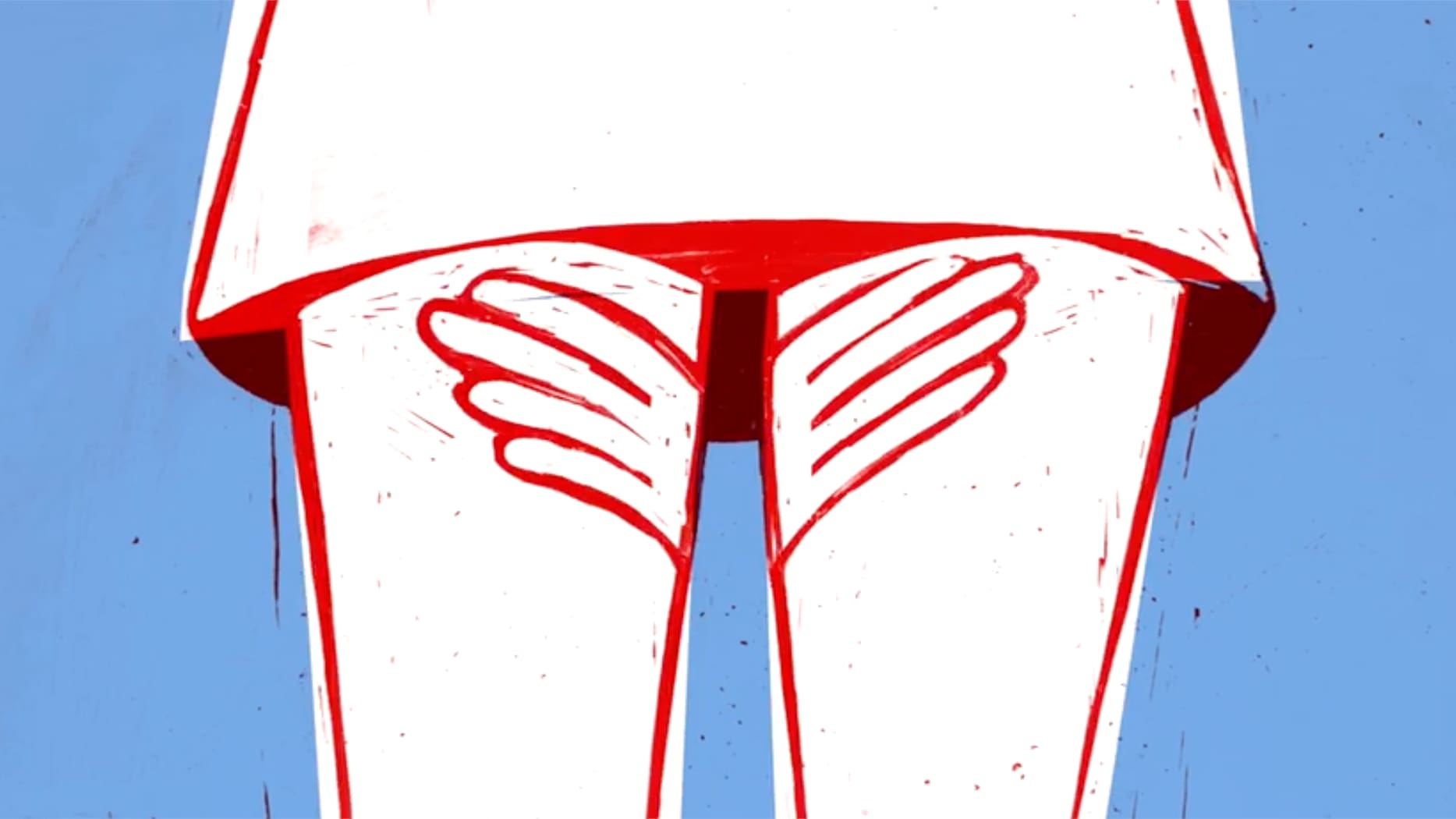
Both funny and meaningful, Four Seasons, Two Idiots follows a woman navigating life after a breakup as she attempts to rediscover herself, only to find that she does not particularly like who she becomes.
The film exists largely within her unfiltered thoughts, exploring the strange, dark, and absurd ideas that pass through our minds but never reach reality. Using black-and-white animation, footage shown by Cannes favorite Devaux (Everybody Loves Jeanne) was fluid and constantly shifting, creating the sensation of moving from one thought to another. Abstract imagery takes precedence over explanatory dialogue as the film explores contemporary gender dynamics and politics.
The Factory Behind the Hill
Country(s): Brazil, Spain
Director(s): Ricardo Kump, Lucas Abrahão
Runtime: 75 mins
Audience: Young adults
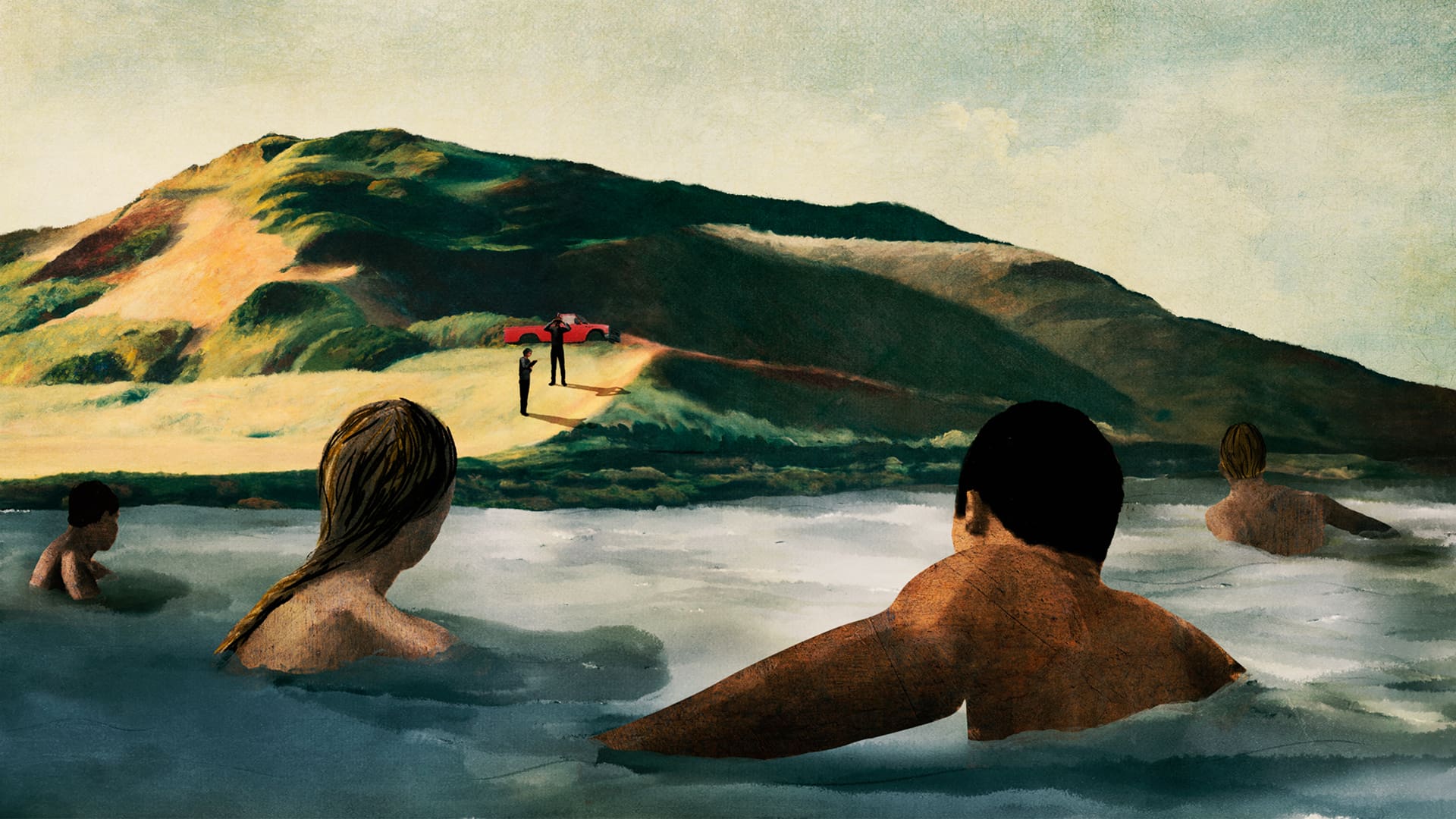
The phrase “apocalyptic tranquility” appeared on screen at the start of this presentation, and few descriptions better capture the atmosphere of The Factory Behind the Hill from Ricardo Kump (City of Annecy Award-winner O Cacto) and Lucas Abrahão .
Set in a small Brazilian village disconnected from the rest of the world, the story begins when two mysterious outsiders arrive and slowly introduce change to a place frozen in time. In this anti-imperialist coming-of-age tale, a young boy investigates the newcomers and must decide whether to resist change entirely or be swept along by it. Pursuing realistic visuals, the film aims to examine the normalization of the absurd under fascism.
And On That Day…
Country(s): India
Director(s): Kushal Kishore, Kushagra Kishore
Runtime: 90 mins
Audience: All ages
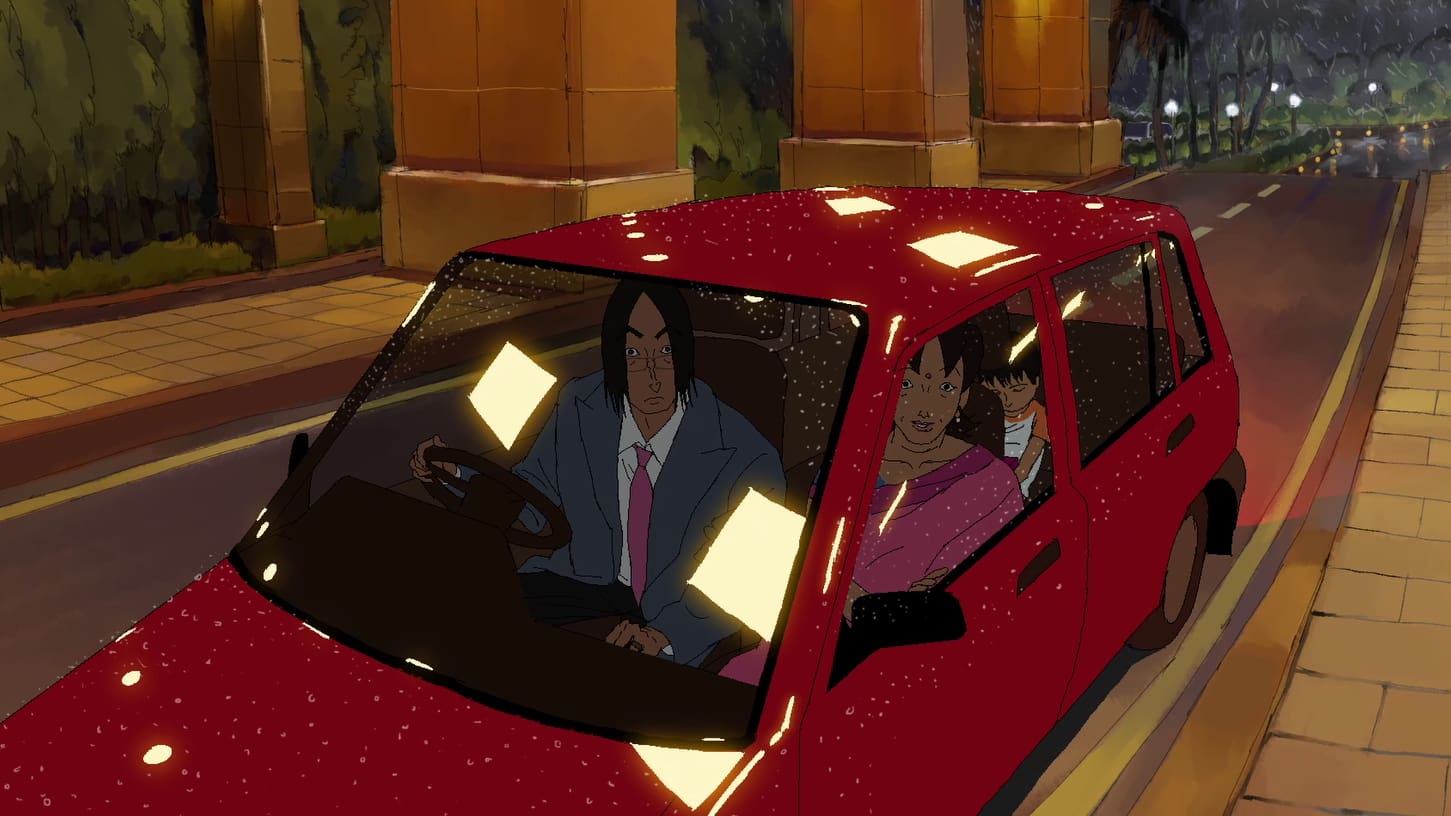
The most energetic and eccentric pitch came from the twins behind this feature. After spending five years developing the film together, the Kishore brothers took the stage, finishing each other’s sentences and constantly getting in each other’s way for comic effect.
That sense of organized chaos reflects the film itself, which follows a boy granted superpowers by magical forest creatures while his father grows increasingly estranged from his wife. Magic and everyday life collide on a night when a marriage falls apart, and a child finds himself distanced from both parents. And On That Day… attempts the difficult balancing act of combining silliness and seriousness in search of a profound lesson about the unpredictability of life.
Ananda
Country(s): France, Indonesia
Director(s): Fatimah Tobing Rony, Ariel Victor Arthanto
Runtime: 72 mins
Audience: All ages
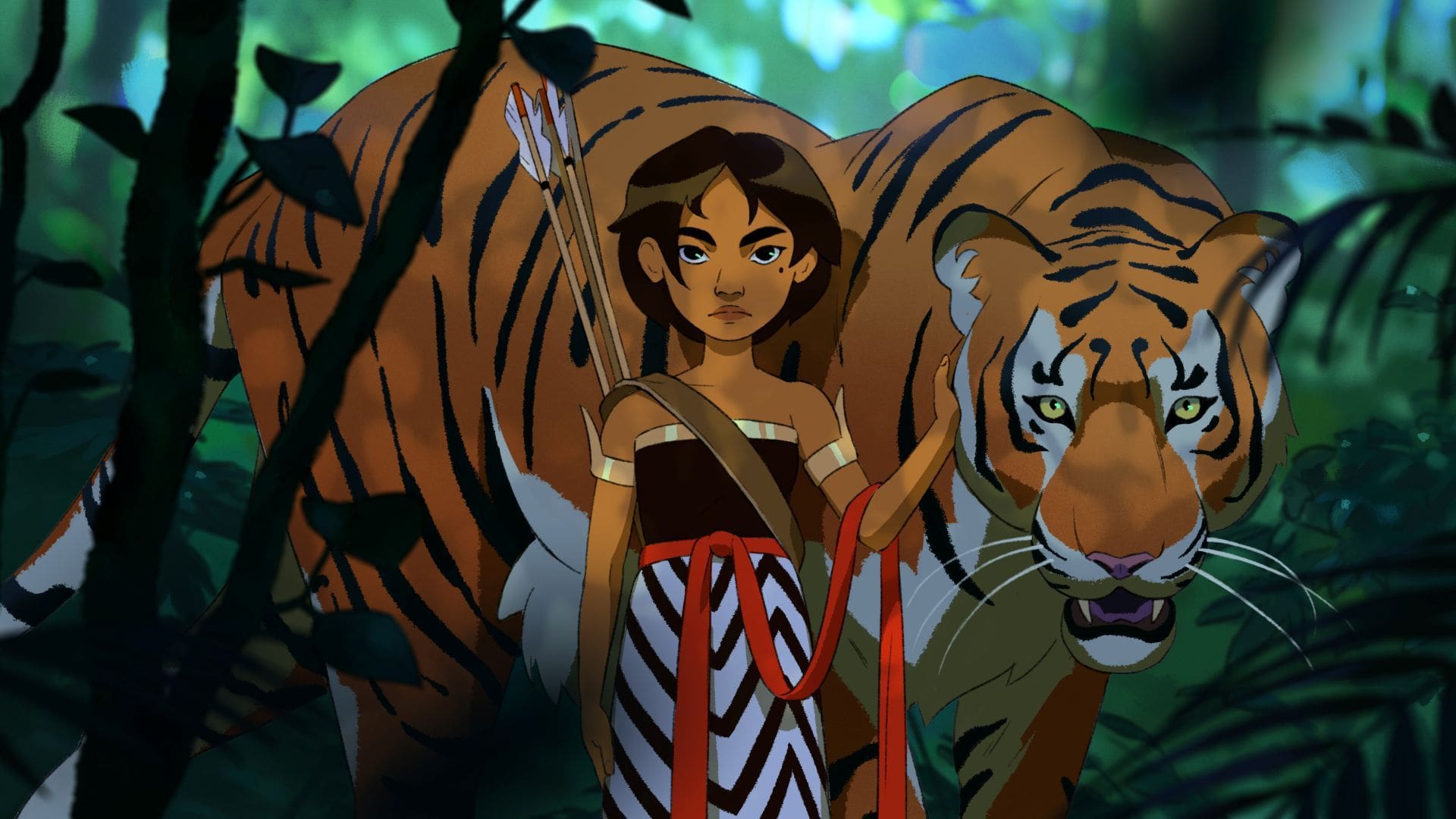
This film is based not on a novel or a true story, but on a single photograph depicting French elites in the late 1800s with their Indonesian servants standing in the background.
Ananda gives one of those women a name and imagines her story after being trafficked across continents. The project serves as a heartfelt tribute to Indonesian culture while drawing from history to tell the stories of people uprooted from their homes and forced to build new lives elsewhere. The animation shown was simple but lush, with vibrant colors dominating the screen and a 2D style that intentionally minimizes detail to keep the focus on the story.