.png)
2026 Oscars Short Film Contenders: ‘Ovary-Acting’ Director Ida Melum
Stay informed with free updates
Sign up to get our news digest — delivered directly to your inbox twice a week.
Welcome to Cartoon Brew’s series of spotlights focusing on the animated shorts that have qualified for the 2026 Oscars. The films in this series have qualified through one of multiple routes: by winning an Oscar-qualifying award at a film festival, by exhibiting theatrically, or by winning a Student Academy Award.
The Norway-Sweden-U.K. co-produced short screened at Tribeca, Annecy, and Hollyshorts, and qualified for the Oscars with a theatrical release before winning the grand prize at the Rhode Island International Film Festival, an Academy-qualifying prize.
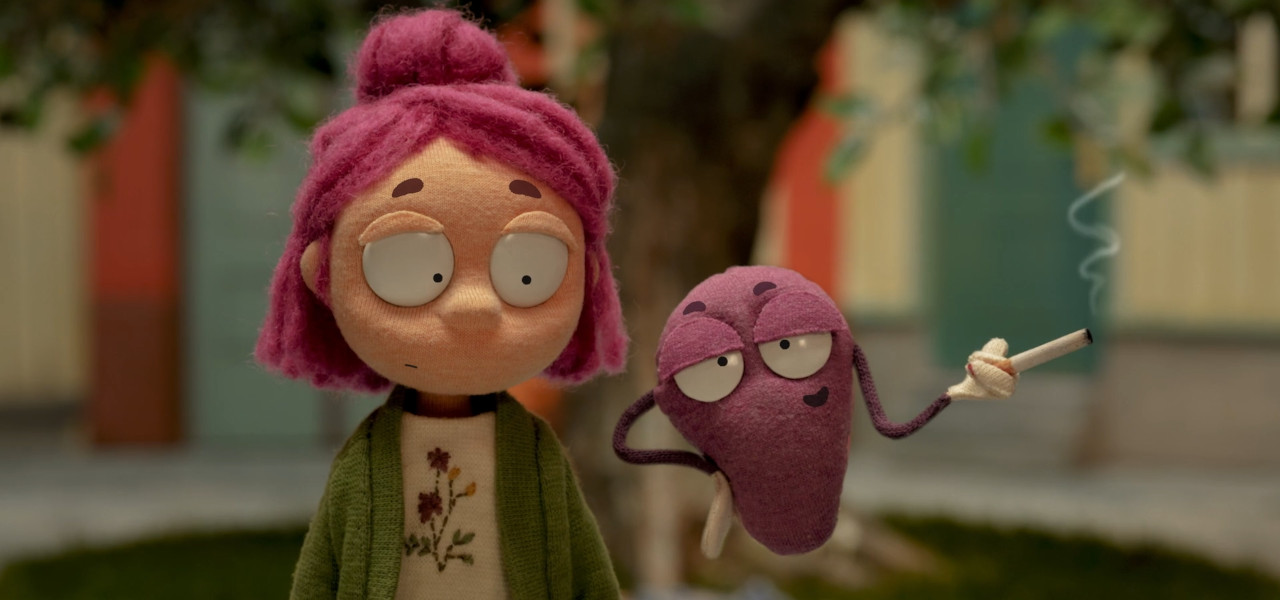
Featuring charming puppets and a vibrant palette reminiscent of Melum’s previous short, Night of the Living Dread, the film follows Eva, a 30-something stuck at her sister’s baby shower, who is forced to decide whether kids are in her, presumably immediate, future after unexpectedly giving birth to her reproductive organs.
Cartoon Brew: What was it about this story or concept that connected with you and compelled you to direct the film?
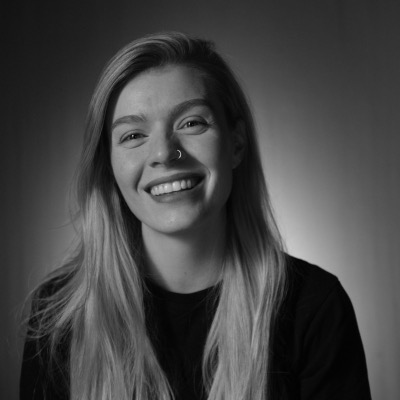
Ida Melum: In my late twenties, after several confronting situations regarding when I’d finally have kids of my own, I started to wonder: did I want to have kids because I wanted it, or did I want them because it was expected of me? This made me want to make Ovary-Acting. Over the course of developing the film, the global political climate changed a lot, and it became even more relevant than when we started thinking about it. By the time we finished it, the film felt urgent, and we hoped it would spark some important conversations while also entertaining.
What did you learn through the experience of making this film, either production-wise, filmmaking-wise, creatively, or about the subject matter?
As a director, I developed so much whilst making Ovary-Acting. As an eternal people pleaser, it was scary and thrilling to be braver with my story and the style decisions. I also wanted to include a musical number, which was a beast in and of itself! Making a film about a political topic was also nerve-racking, but no matter what people take from it, I learned to trust the intent the team and I had whilst making it. Personally, I see how this film is bolder, braver, and more unapologetic than my previous work, and I’m excited for what’s next.
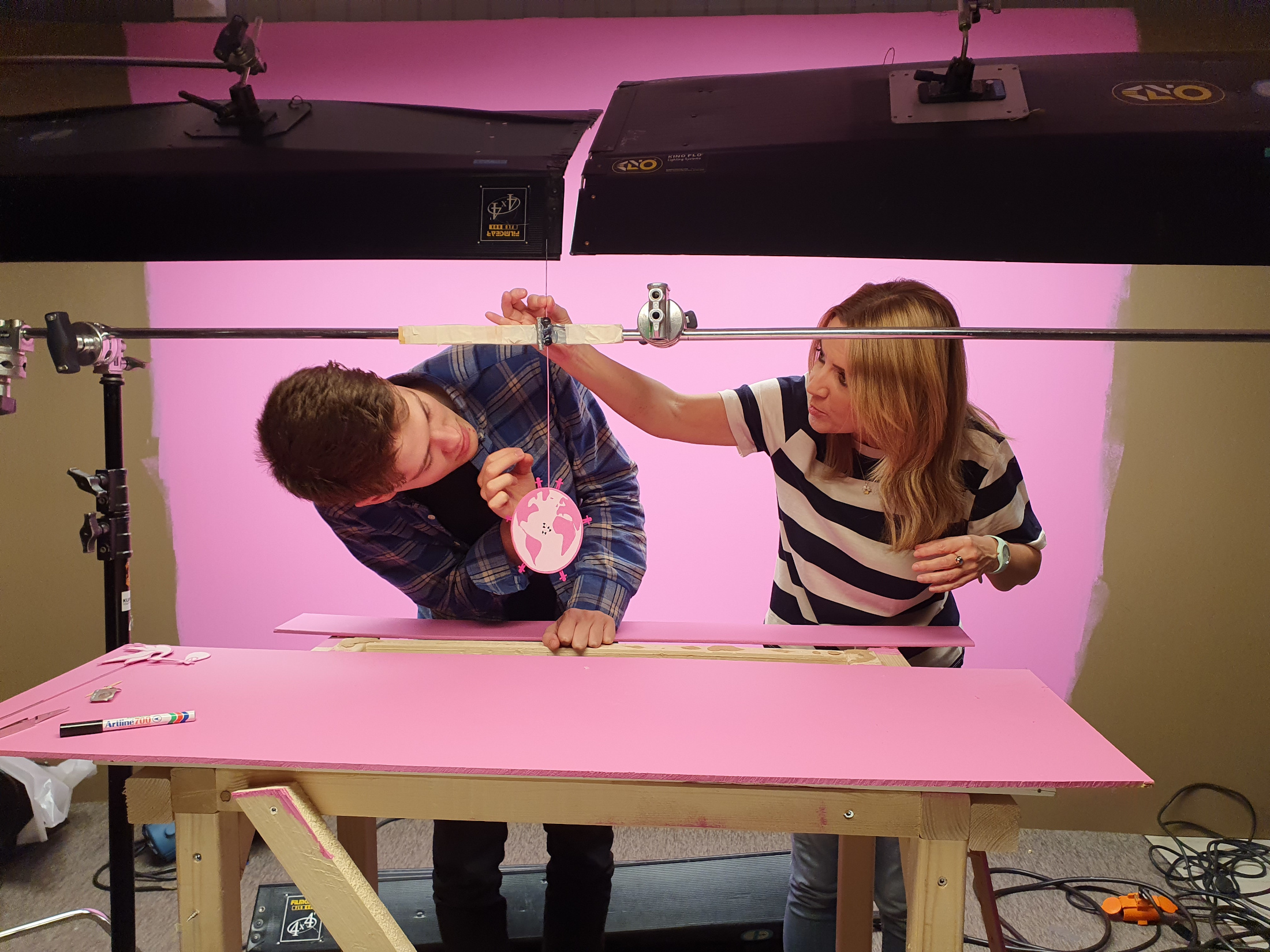
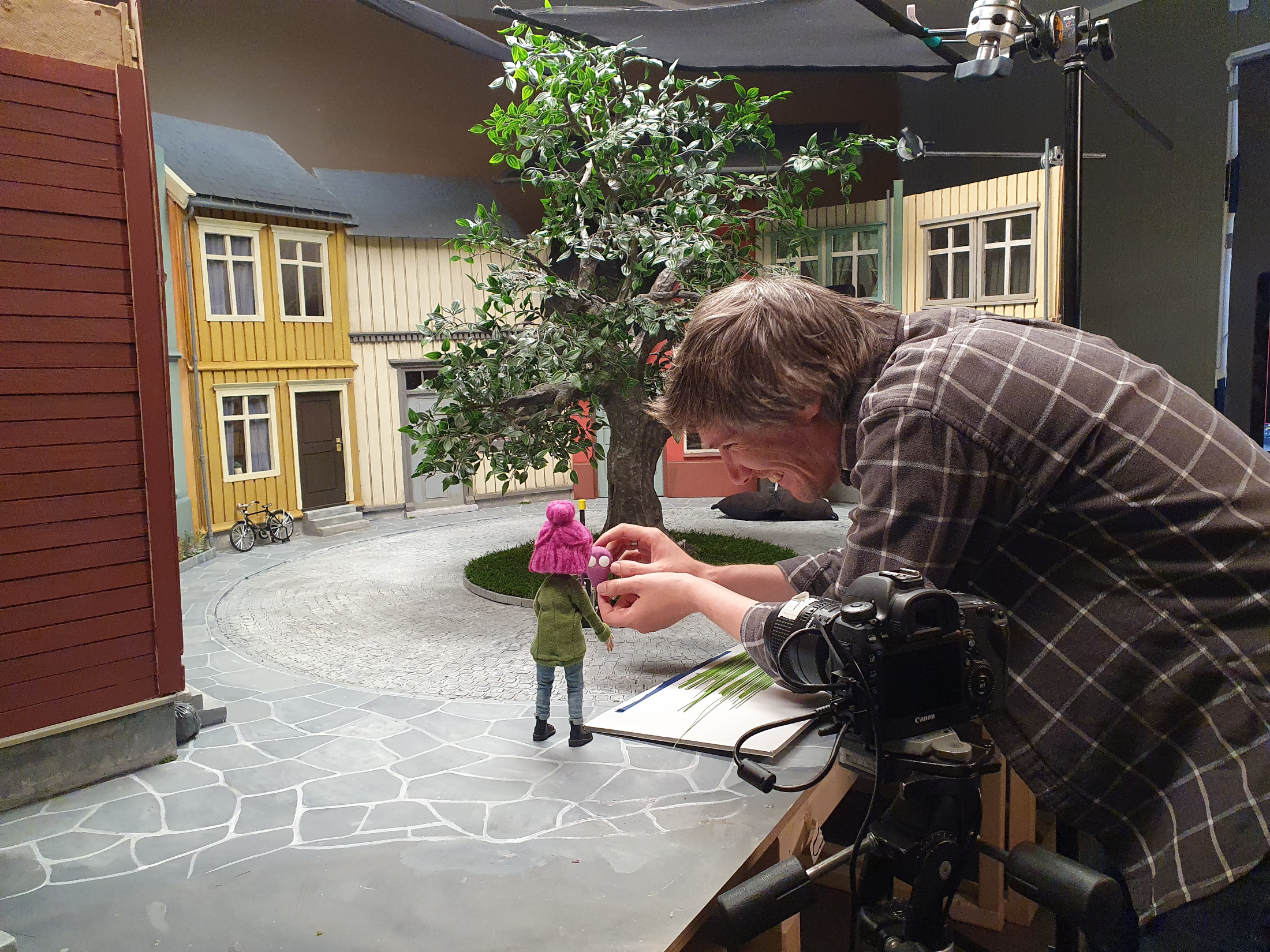
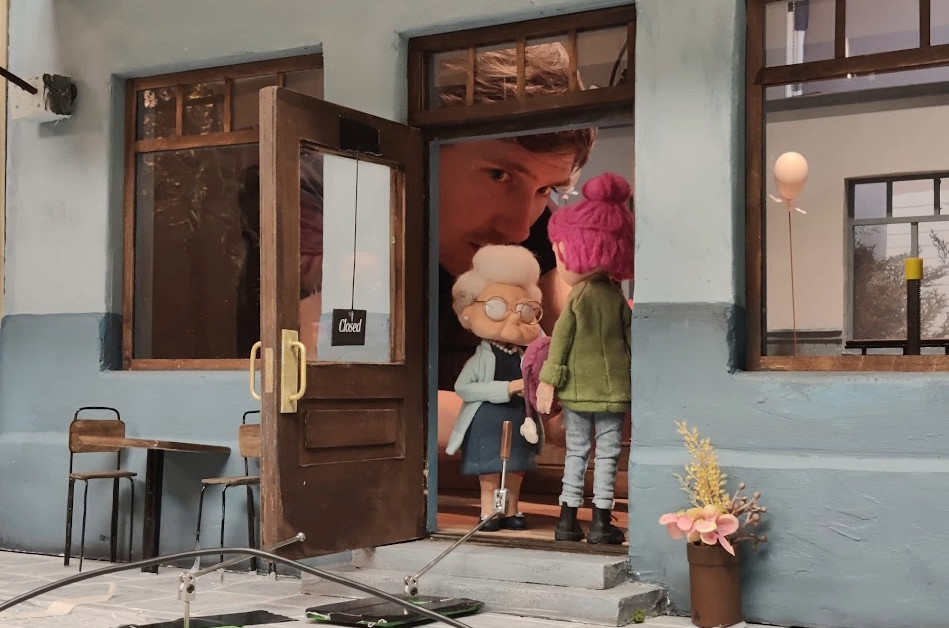
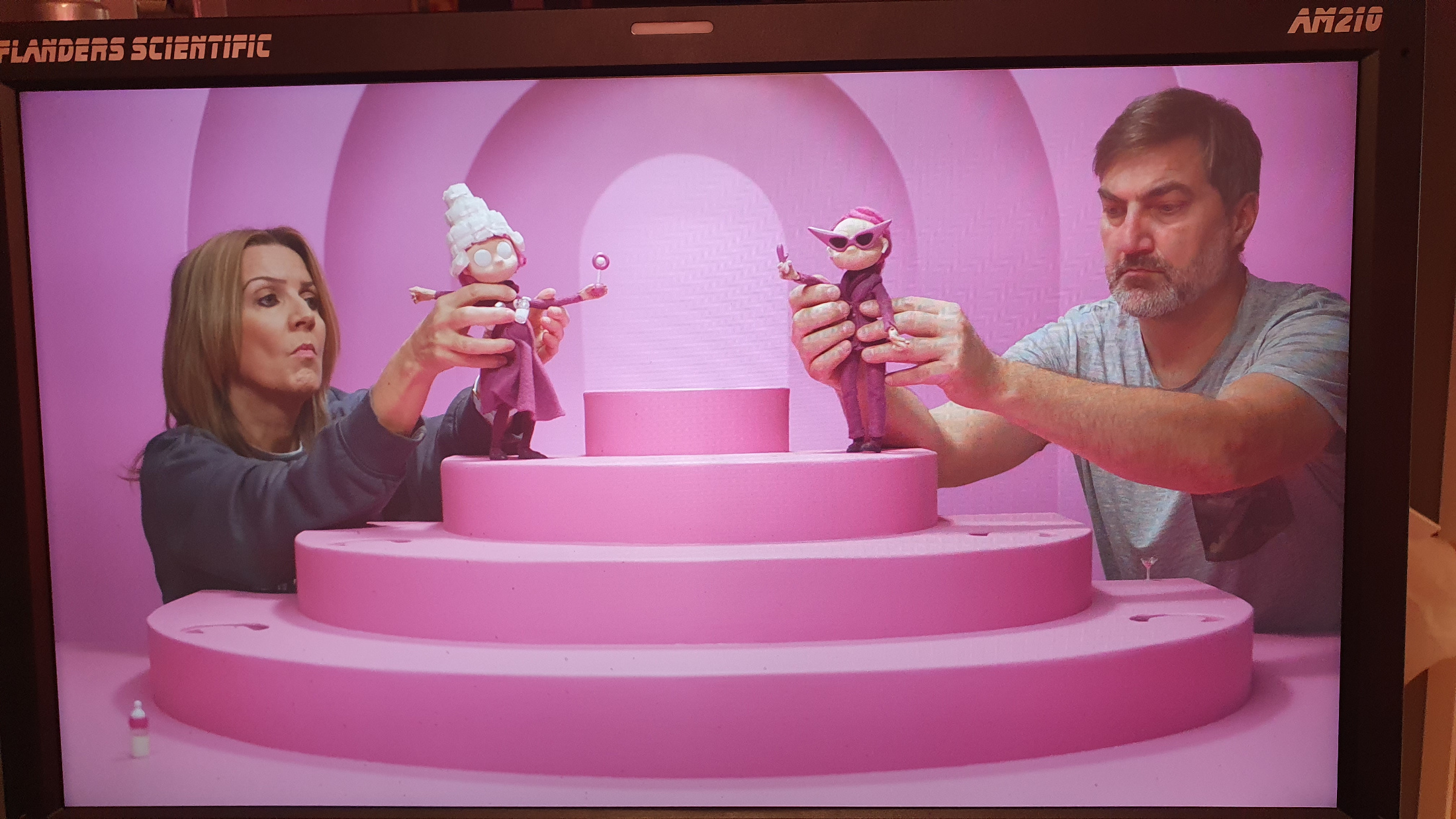
Can you describe how you developed your visual approach to the film? Why did you settle on this style/technique?
I fell in love with combining stop motion and 2D features on my previous short Night of the Living Dread. It made my animation better because it forced me to be less precious and rely so much more on body language. When you add facial features that smear and move quickly, it brings another level of life and energy to the film. For the musical number, we used live action puppeteering. I`ve always wanted to try puppeteering, and I felt that a musical number was the perfect fit for such a joyful and energetic element of the film.
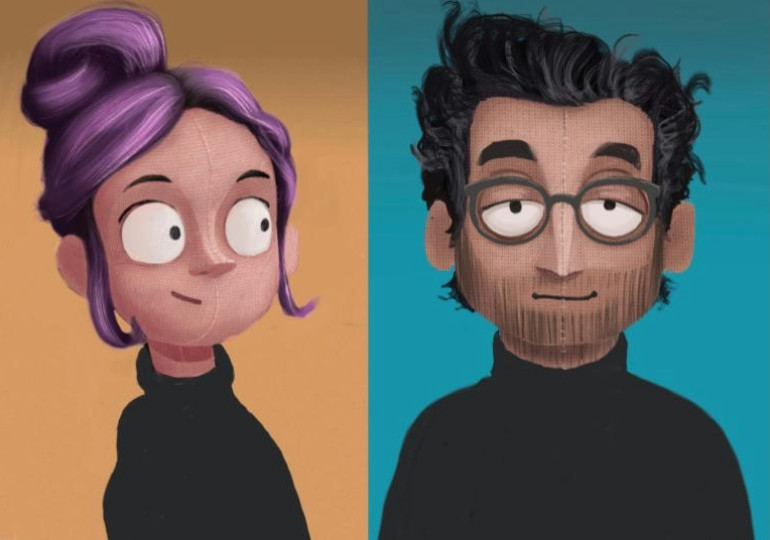
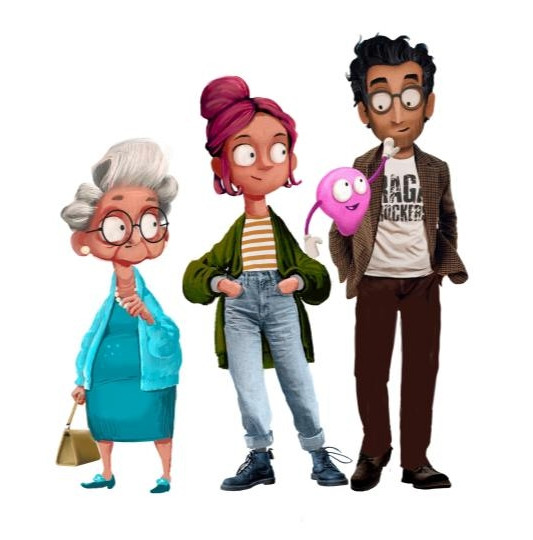
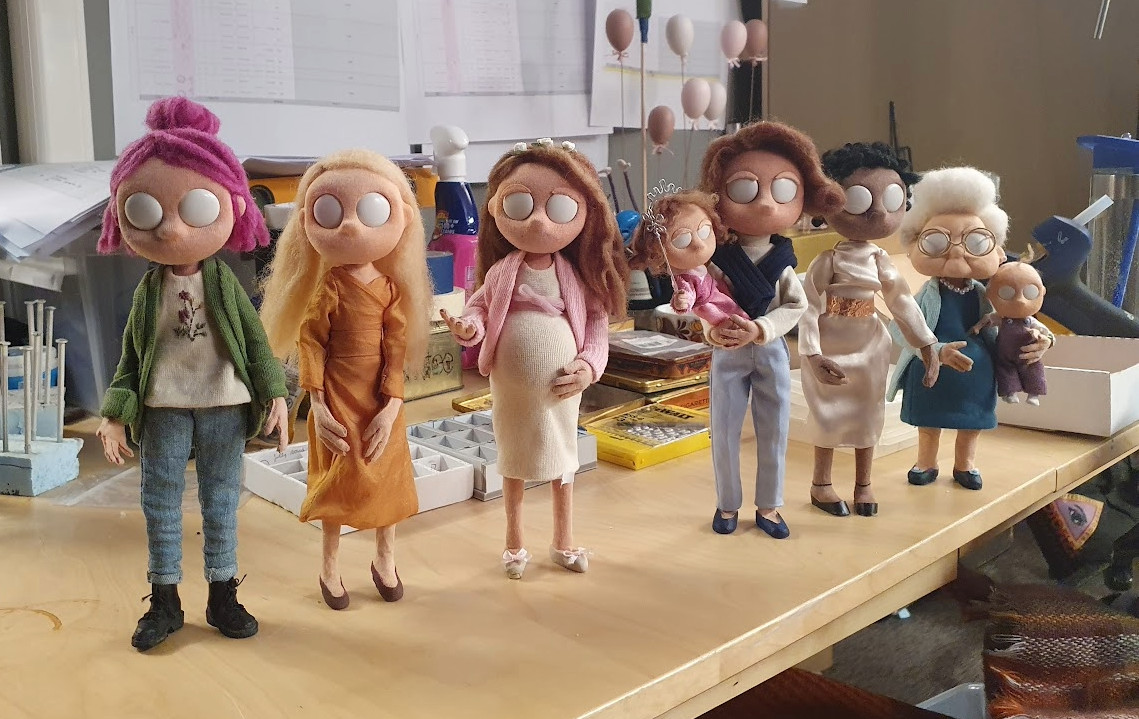
What inspired you to come back to your original, much shorter, Ovary Acting to expand on that story and step up the animation? How has your style developed in the interim? Obviously, this one is much closer to what we saw in the incredible Night of the Living Dread.
I first developed Ovy as a character in a one-minute short animation as part of my MA course at the National Film and Television School. Several years and many awkward conversations later regarding my own reproductive choices, I knew there was a bigger story to be told and that I wanted to explore both sides of the conversation. To me, the topic was so interesting and complex, but most importantly, universal. After finding my visual style and bearings as a director on Night of the Living Dread, I knew exactly which film I was going to make next: Ovary-Acting 2.0.