.png)

2026 Oscars Short Film Contenders: ‘Autokar’ Director Sylwia Szkiłądź
Stay informed with free updates
Sign up to get our news digest — delivered directly to your inbox twice a week.
Welcome to Cartoon Brew’s series of spotlights focusing on the animated shorts that have qualified for the 2026 Oscars. The films in this series have qualified through one of multiple routes: by winning an Oscar-qualifying award at a film festival, by exhibiting theatrically, or by winning a Student Academy Award.
Today’s film is Autokar from Sylwia Szkiłądź, produced by Vivi Film, Ozù Productions, Amopix, and Novanima. The film earned its Oscar qualification by winning the grand prize at Poland’s Animator festival.
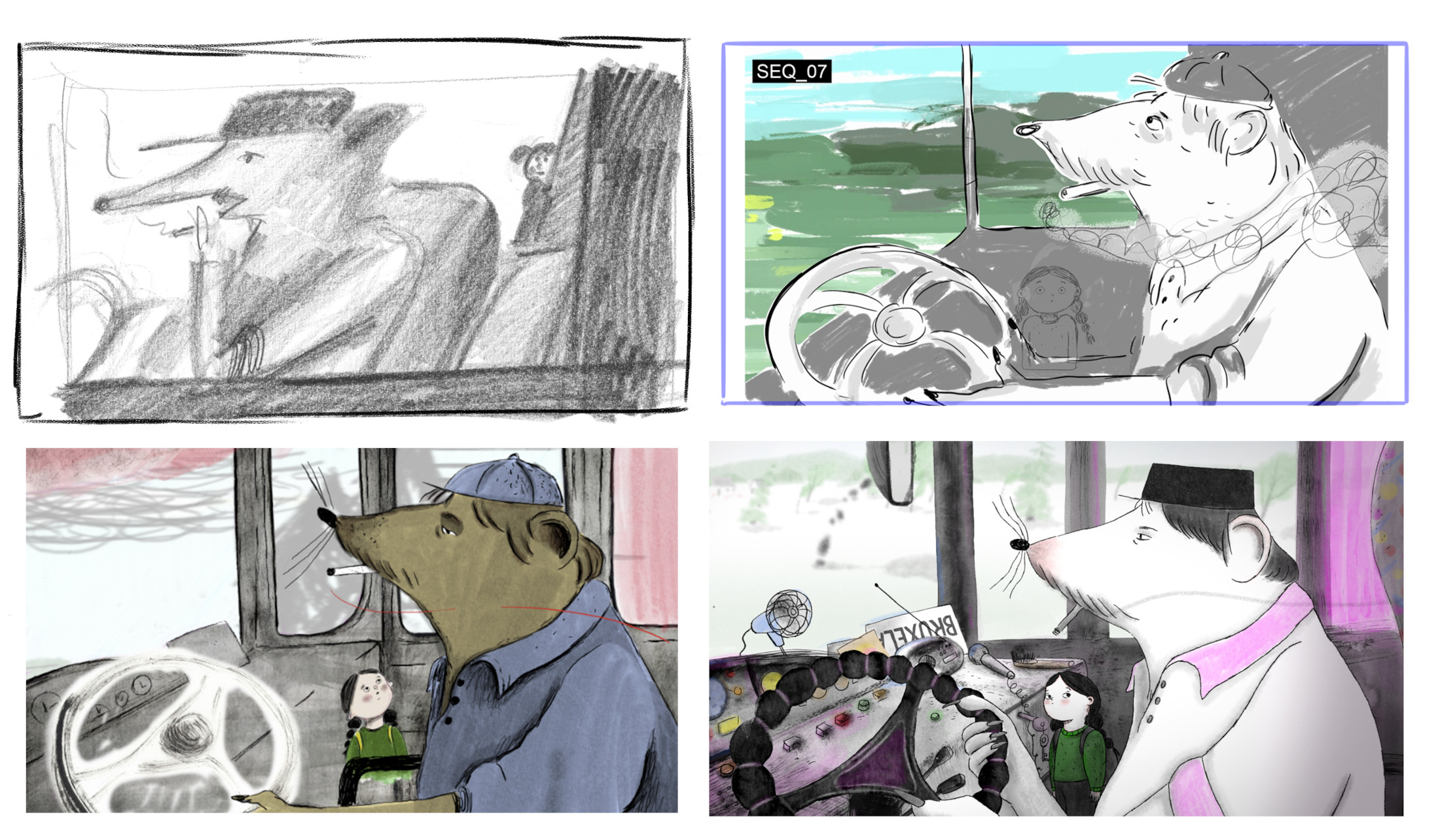
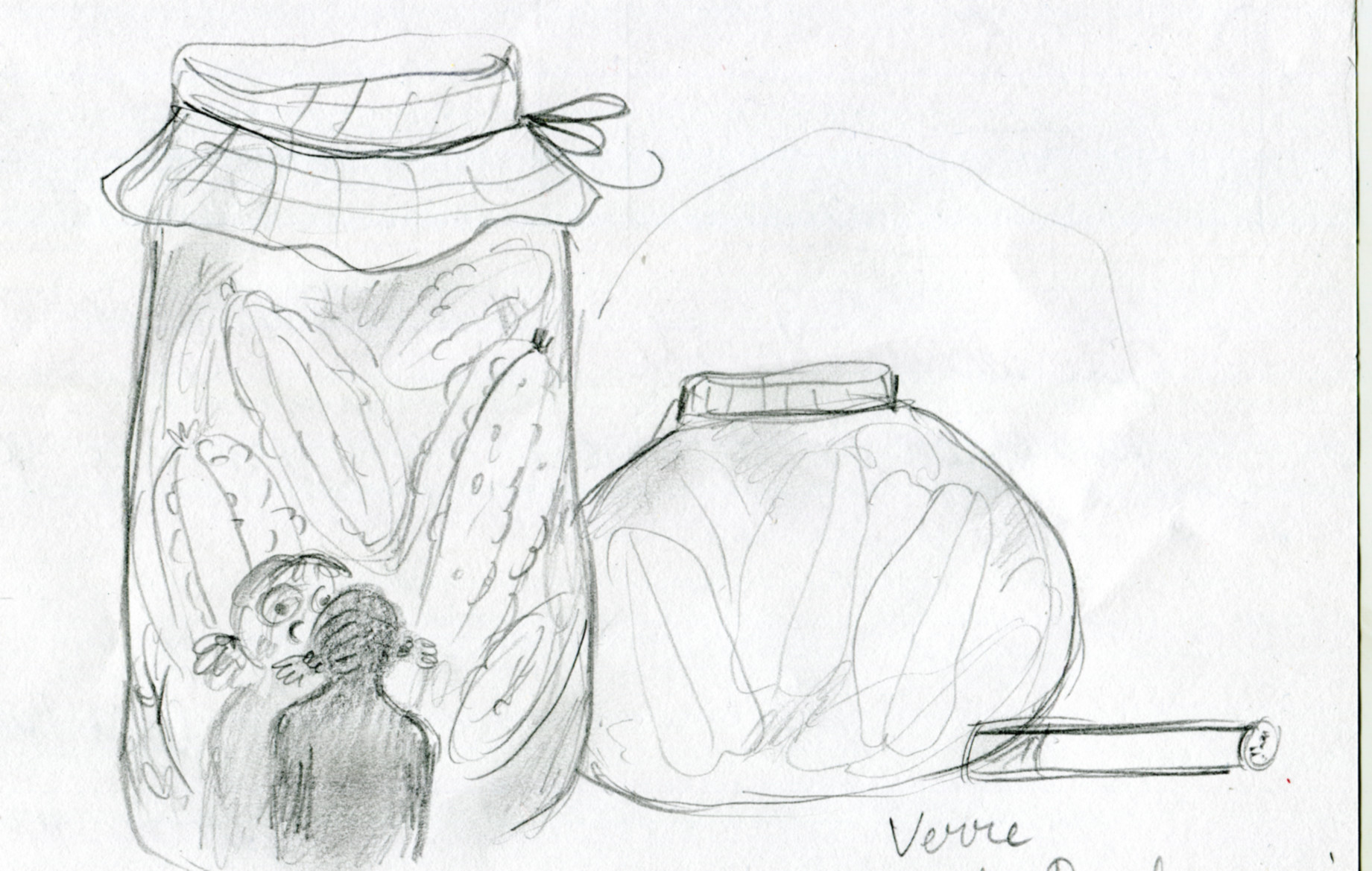
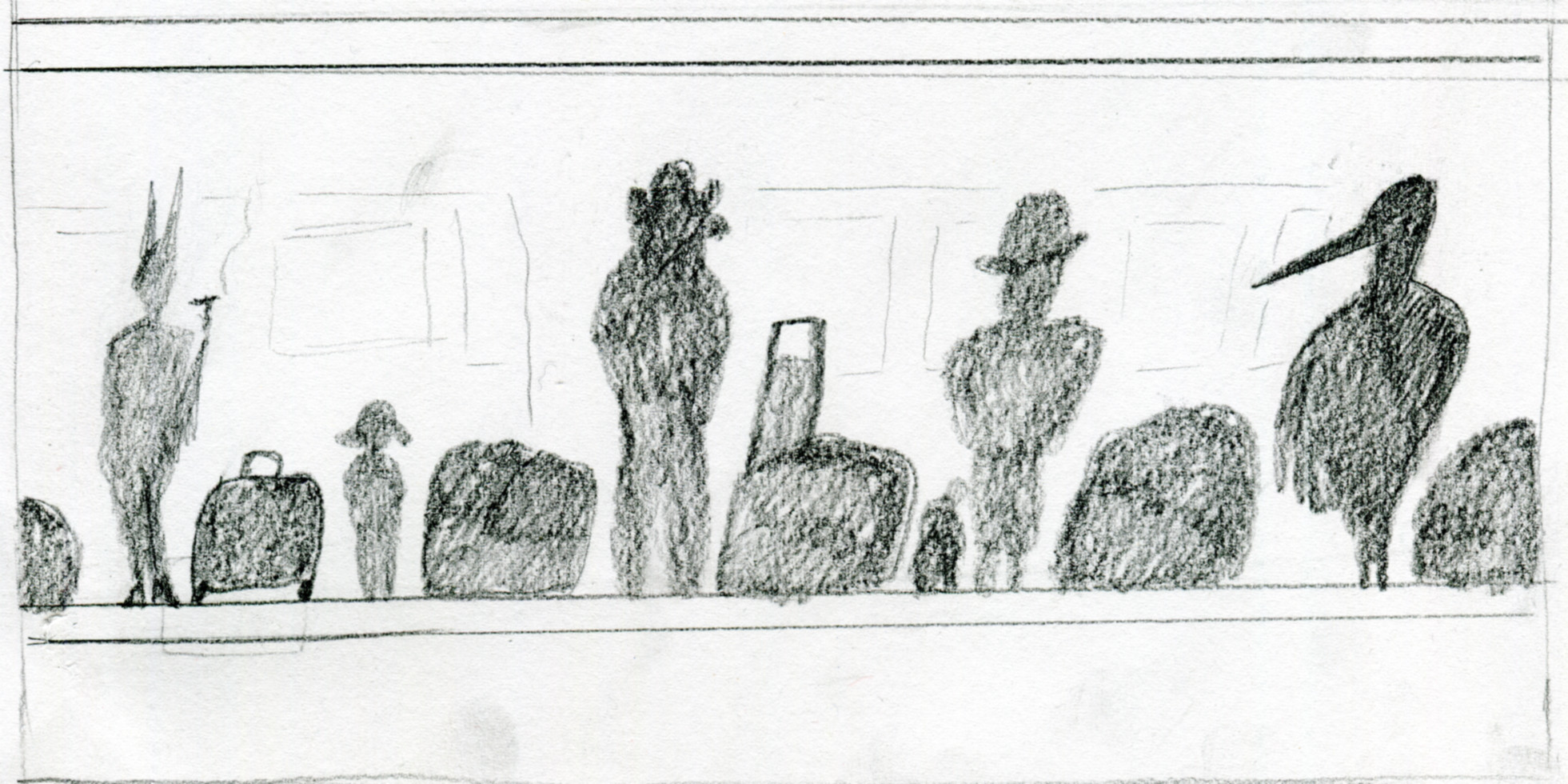
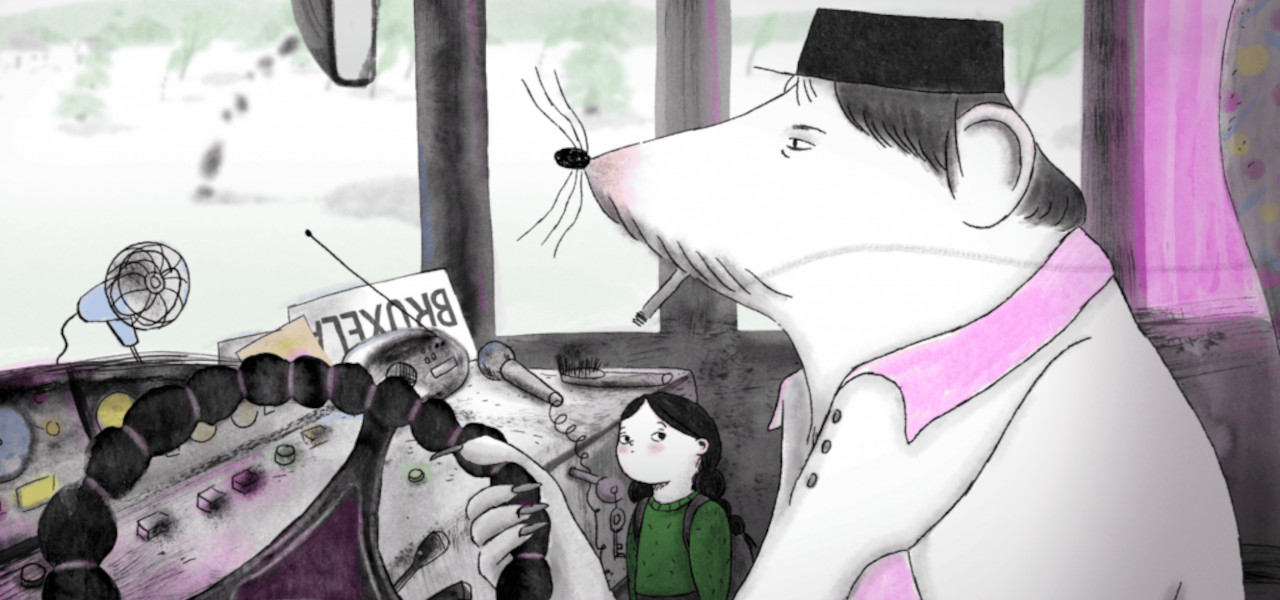
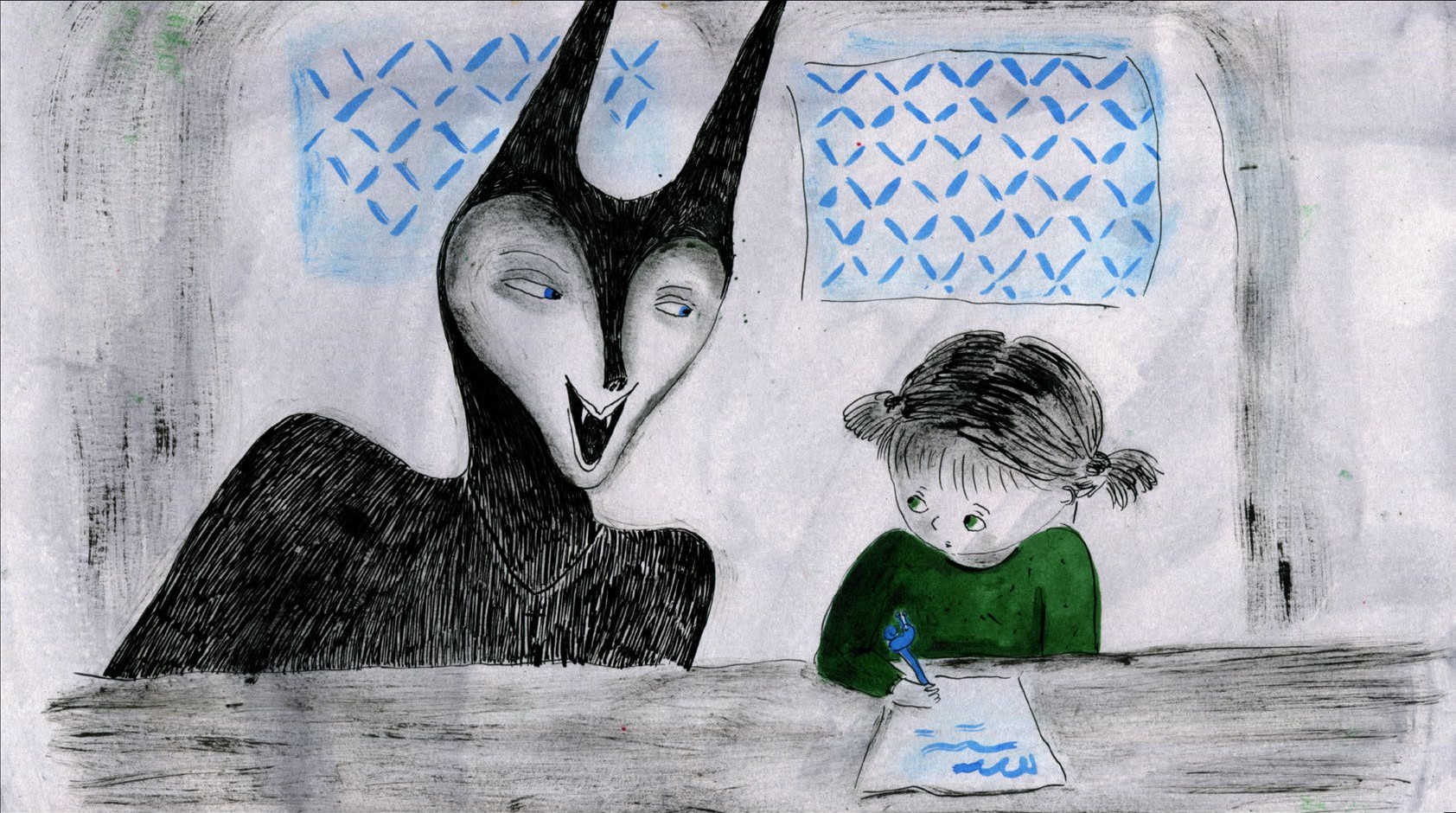
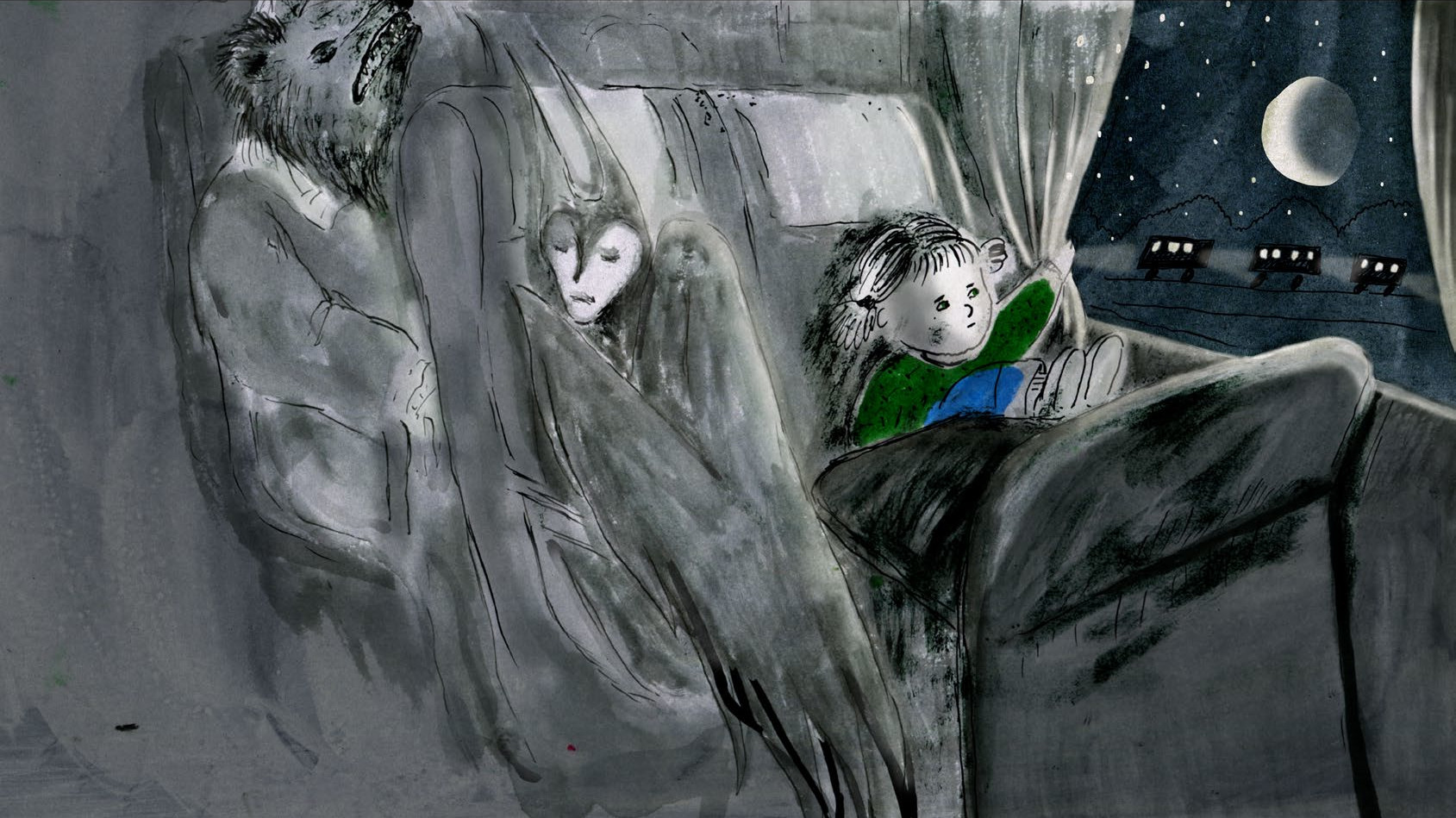
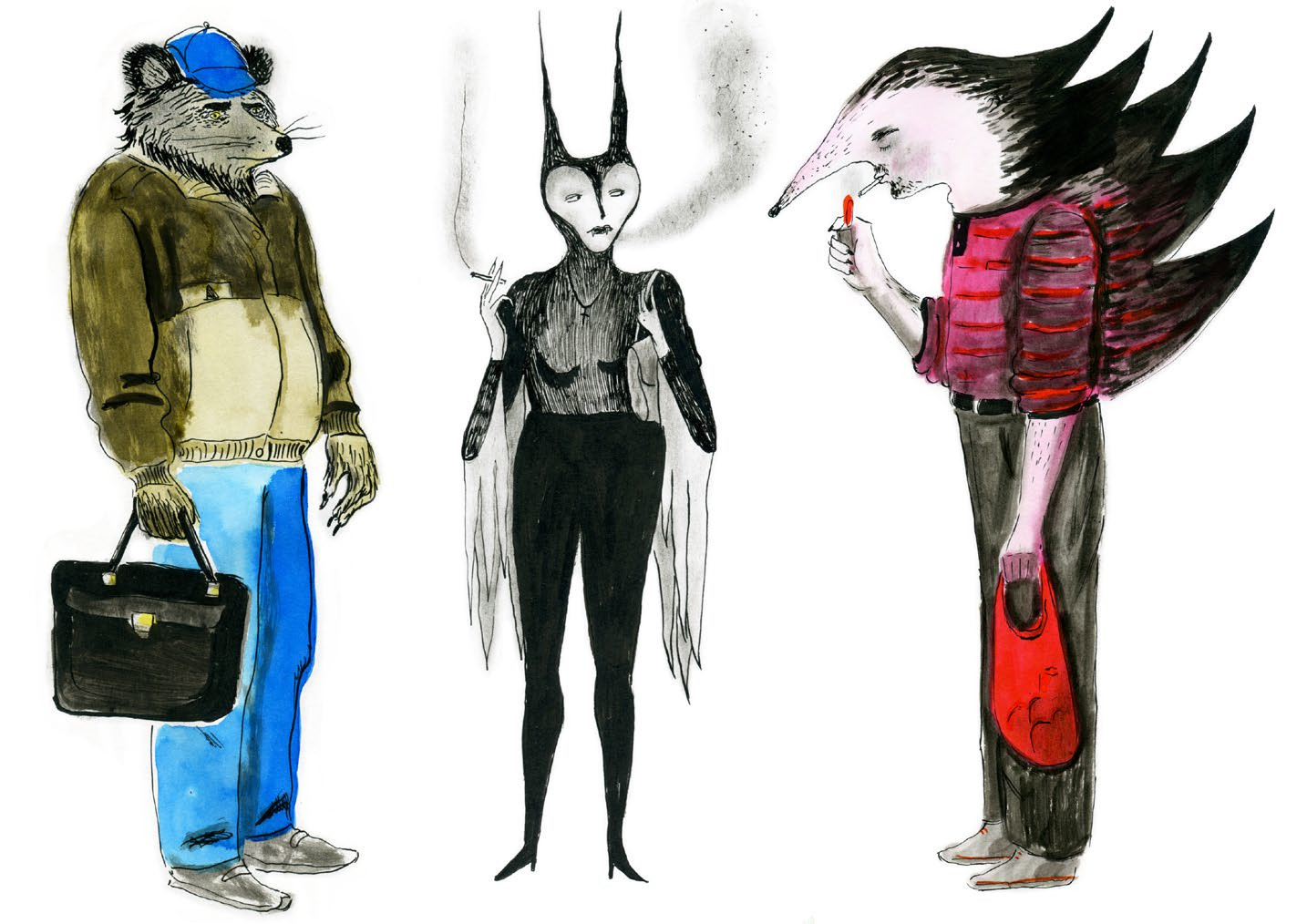
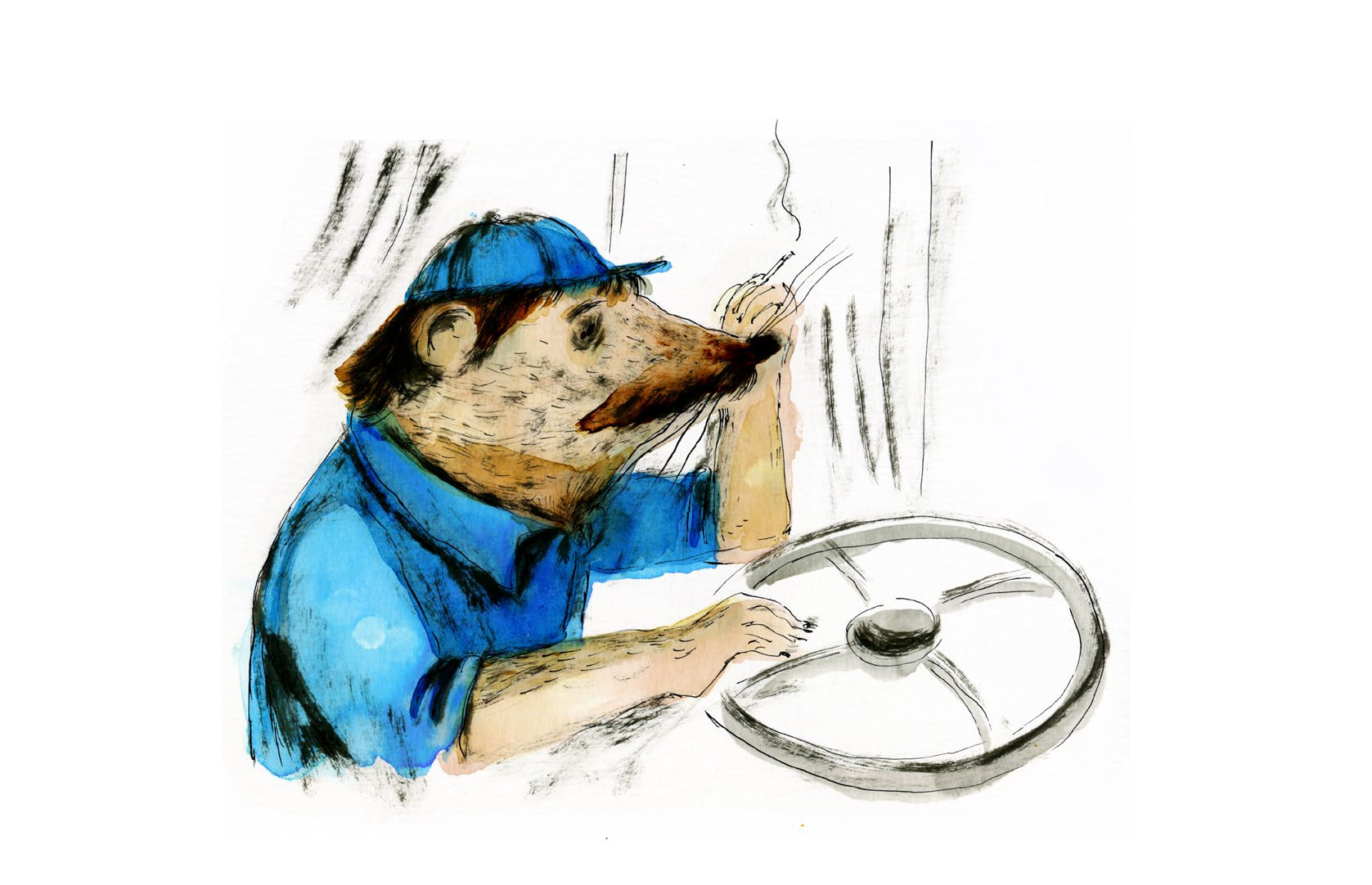
The film follows Agata, an 8-year-old girl who emigrates, without adult supervision, from Poland to Belgium in the 1990s. During the bus journey, her lost pencil leads her into a dreamlike exploration beneath the seats, where she encounters fantastic, anthropomorphized animal passengers. Through her eyes, the hardship of migration is transformed into a magical-realist adventure of courage and self-discovery. Featuring storybook 2D animation, the film’s hand-drawn aesthetic and layered textures evoke nostalgia and imagination.
Cartoon Brew: What was it about this story or concept that connected with you and compelled you to direct the film?

Sylwia Szkiłądź: The idea of distancing myself from this story — so close to me — by fictionalizing it felt liberating. The emotions I experienced during the many trips I took between Poland and Belgium since the age of eight, throughout the ’90s, were always intense. I felt the need to revisit them in order to reclaim them as an adult. In the little girl, there is a part of me, but also echoes of many others I’ve met who have gone through the experience of being uprooted.
What did you learn through the experience of making this film, either production-wise, filmmaking-wise, creatively, or about the subject matter?
Putting certain emotions into words — especially those tied to the experience of being uprooted — is never easy. Animation gave me a different medium through which to express them. I believe the topic of economic migration is often trivialized in today’s world, yet it lies at the heart of many identity-related questions we grapple with. I had never made a 2D film on this subject before, so the process was a real learning experience. Collaborating with a team helped me gain distance from a deeply personal story and transform it into a fictional one.
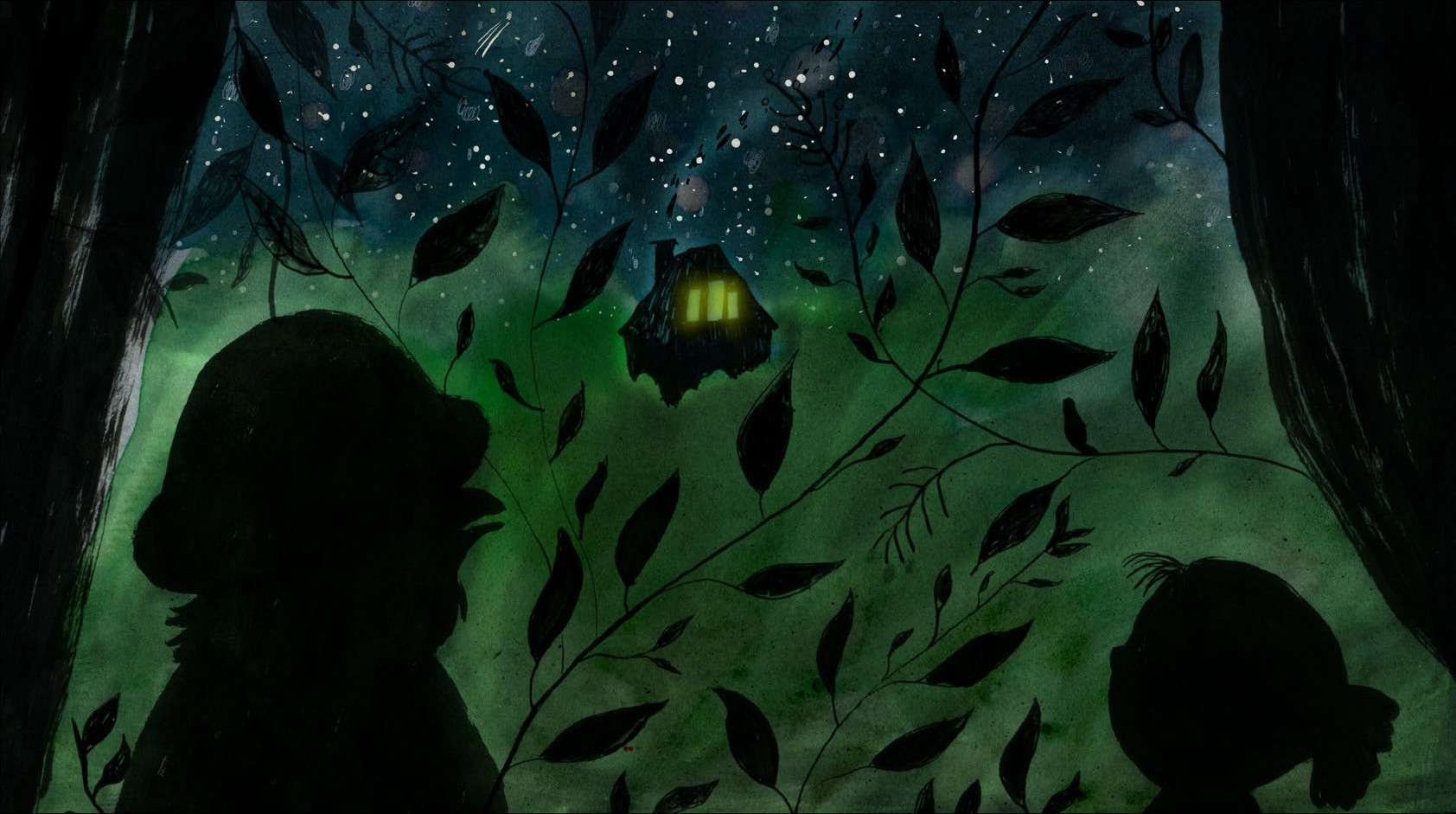
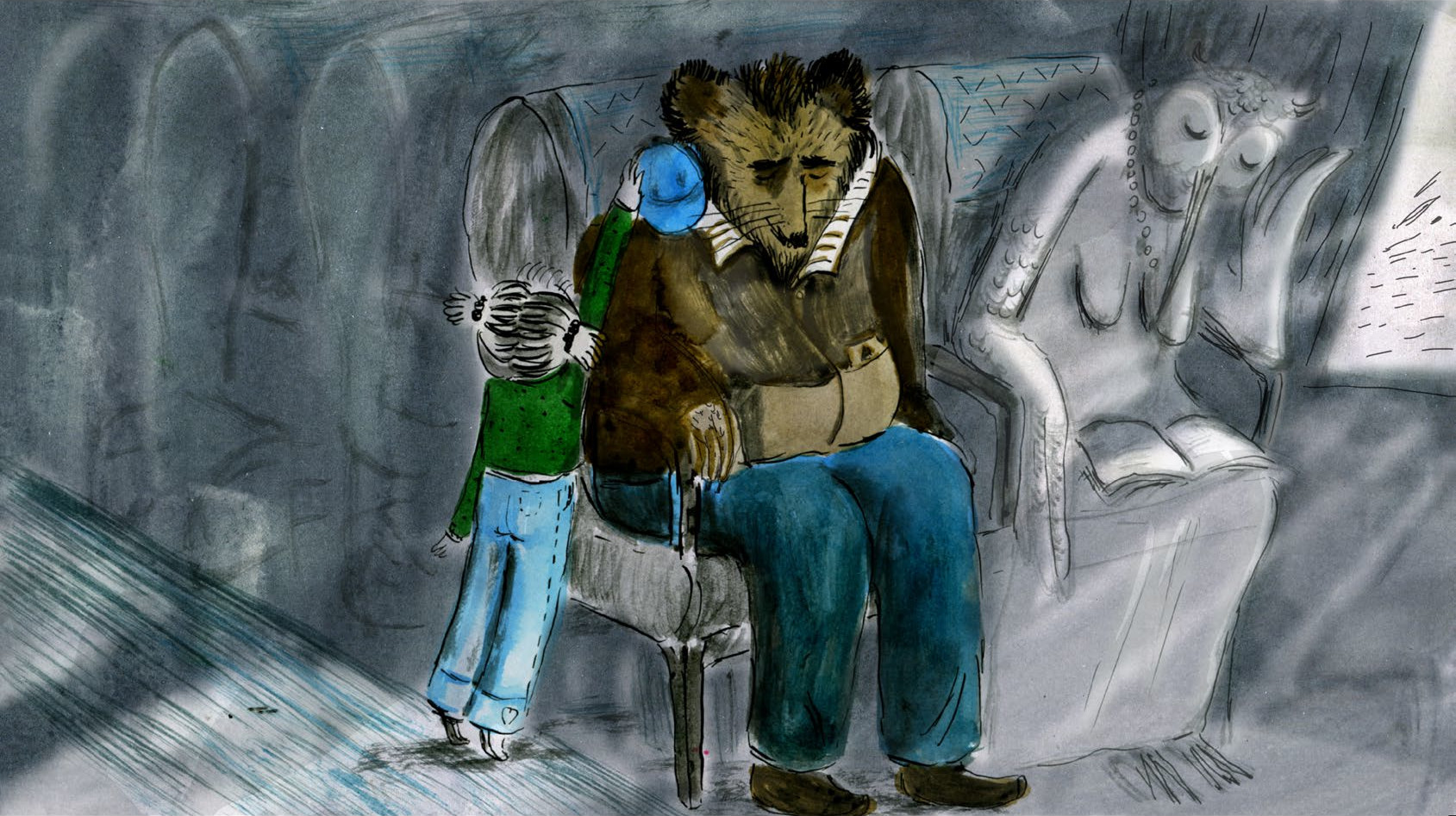
Can you describe how you developed your visual approach to the film? Why did you settle on this style/technique?
From a child’s perspective, everything feels exaggerated: details take on symbolic weight, proportions shift, and the bus itself transforms into a space that can feel creepy at times and endearing at others. Through the eyes of this little girl, migration becomes an initiatory journey — and animation offers the perfect medium to bring that vision to life. The color palette imposed itself on me: the gray of concrete contrasted with the flashy hues inspired by 1990s Poland, creating an aesthetic all its own. It was a vivid sensation of contrast that demanded to be expressed.
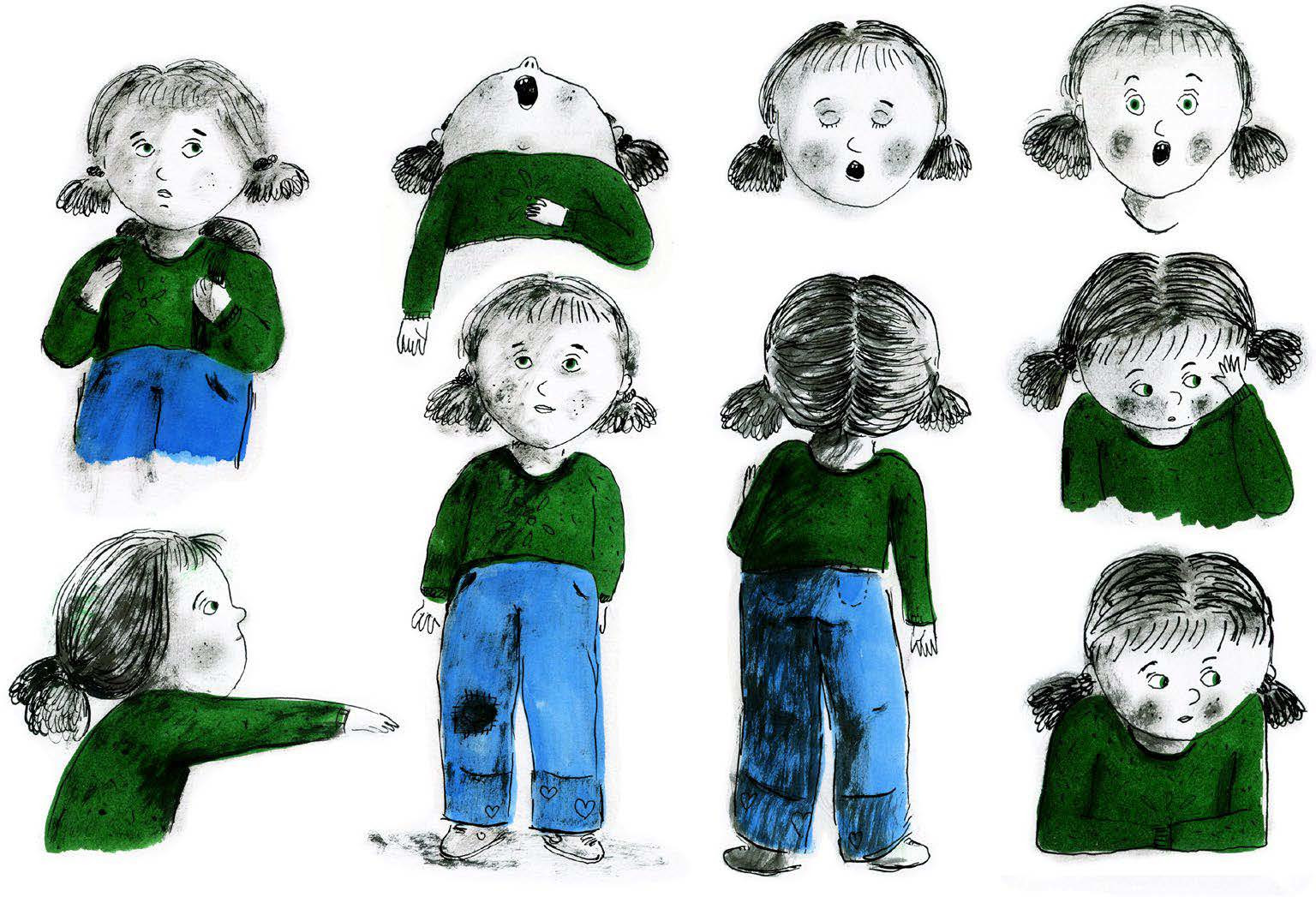
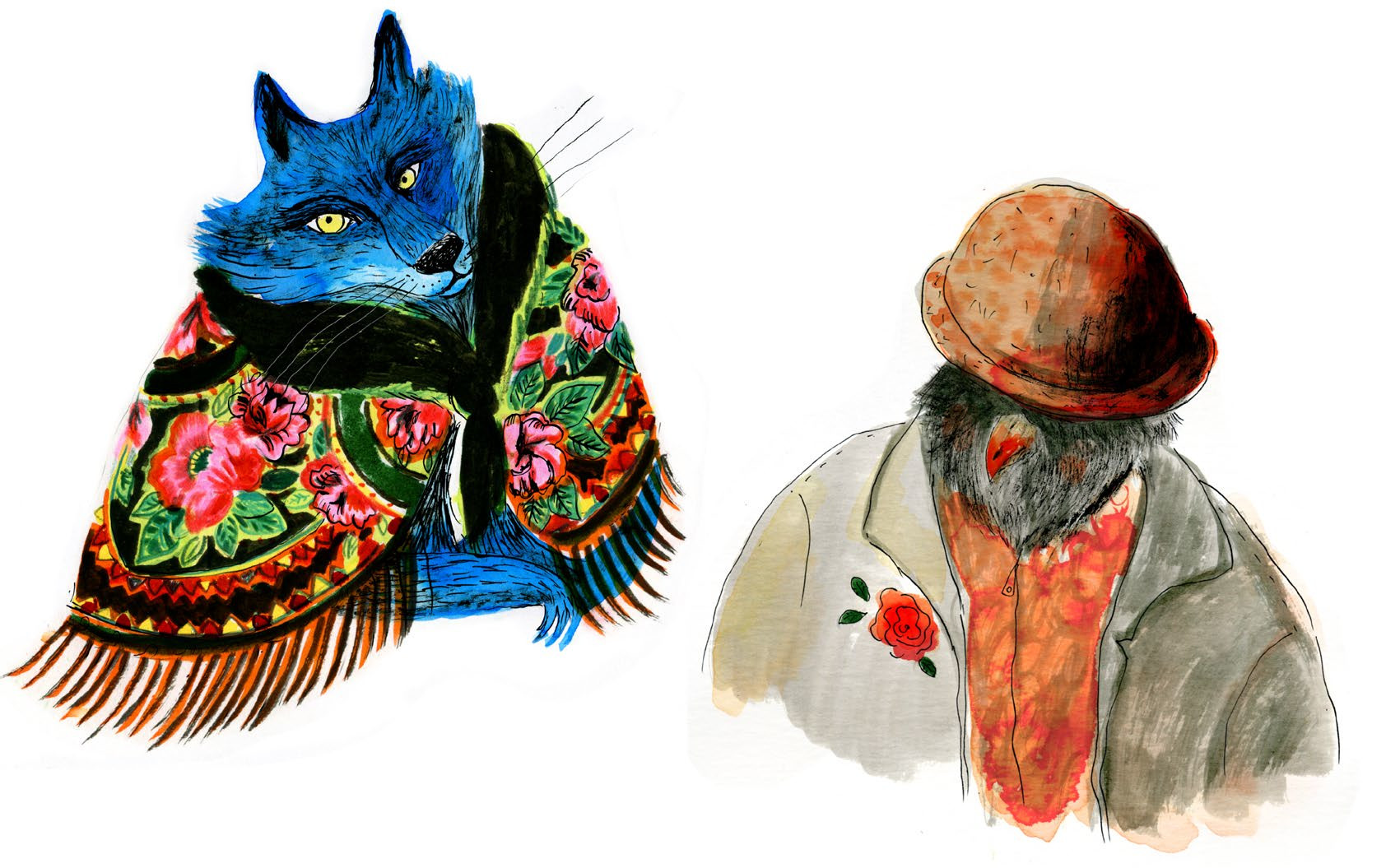
How did you decide which parts of the journey needed to remain grounded in reality, and which could venture into the imaginary?
I wanted the film to have multiple layers of meaning. Each one speaks to a different part of us. The little girl’s perspective on migration helped me explore exaggeration and subjectivity. With the editor, we called certain sequences “mental” — symbolic layers that speak to the unconscious. They emerged from the intensity of her emotions. I tried to plant that language from the very beginning, so viewers would grow familiar with it. These images carry symbolic resonance, and I wanted them to linger beyond the film — to stay with us in life.