View Conference Was Inspiring: The AI Sales Pitches Were Exhausting (And Occasionally Bullshit)
Stay informed with free updates
Sign up to get our news digest — delivered directly to your inbox twice a week.
It’s been two weeks since I left View Conference in Turin, excited about animation as an art form and exhausted by the insistence that everyone making it already uses generative AI, whether they admit it or not.
I’ve had 14 days to reflect on my experiences there, and when a press release recapping the event hit my mailbox today, it brought some of my feelings about the event into sharper focus.
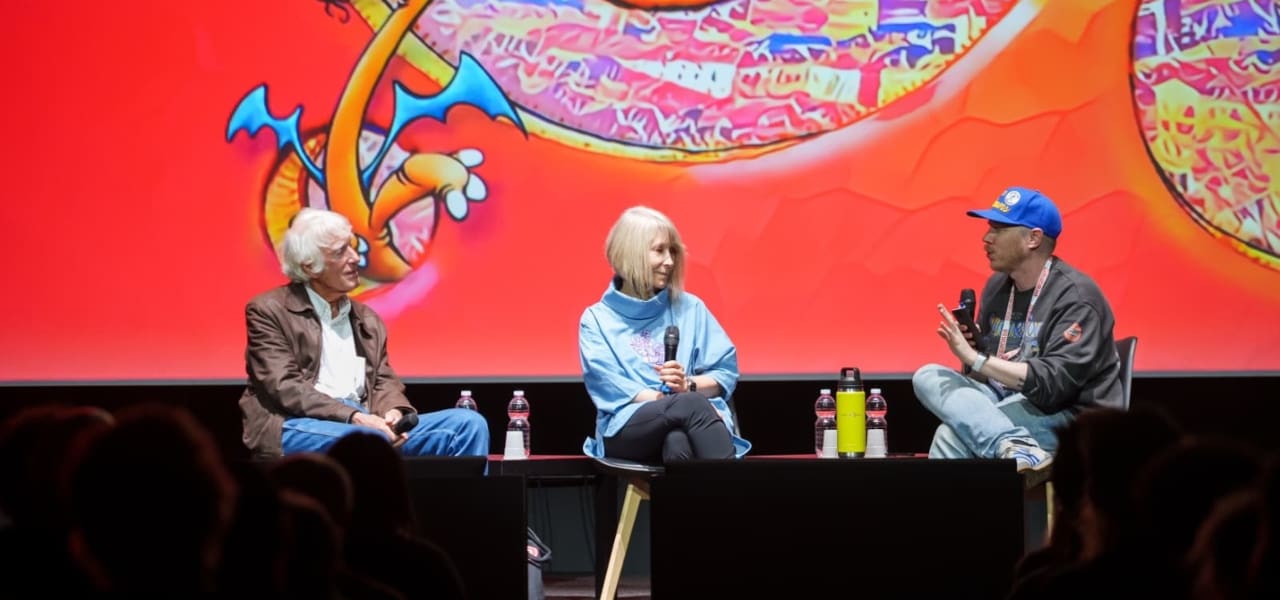
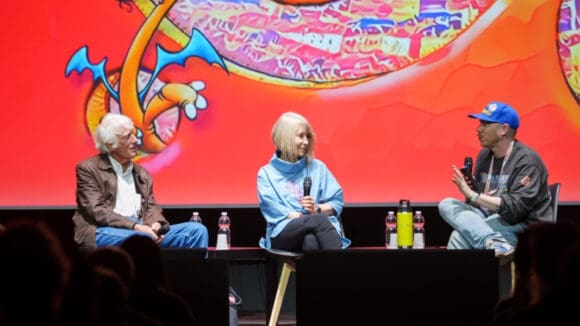
There was plenty to enjoy at the annual event, which typically sees filmmakers behind the major awards-season contenders in animation and VFX descend on the northern Italian city. Interviewing Roger and James Deakins was a particular pleasure for me, an opportunity to discuss their working lives and share their enthusiasm for filmmaking with an equally enthusiastic audience. Hopefully, we can post the video, or clips from it, soon.
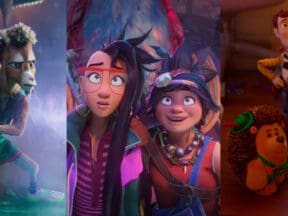
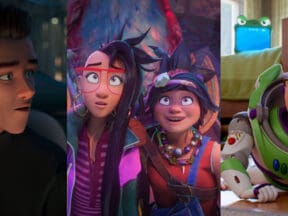
Our coverage throughout the week showed how much the event offered. VFX supervisor Steve Emerson unpacked the extraordinary combination of handcrafted animation and digital effects behind Wildwood. Director McKenna Harris explained why Pixar stopped Toy Story 5 production for two weeks to solve a fundamental story problem. Director Daniel Chong and producer Nicole Paradis Grindle recounted how a rejected promotional gag became Hoppers’ viral Tom the Lizard phenomenon. And Disney’s Oscar-winning producer Yvett Merino introduced us to the world of Hexed, coming out next month.
These were spirited, specific, and illuminating accounts of how films get made and find audiences.
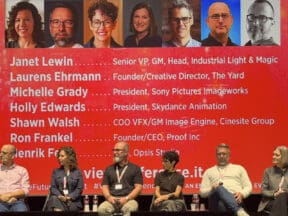
But the AI sales pitches kept intruding, sometimes invited, other times not. The previously mentioned event recap released today declared that “Every Pixel Will Be Generated,” a conversation featuring NVIDIA’s Richard Kerris and Runway co-founder Cristóbal Valenzuela, was the “Highlight of the Week.”
That title alone presents a commercial ambition as a guaranteed future. It also didn’t jibe with conversations I had over lunches, dinners, cocktails, and coffee with some of the world’s most accomplished artists and the leaders making decisions about how their films get made.
Jeff Kember, Nvidia’s Principal Technical Evangelist for Media2 (that’s his actual job title on LinkedIn), made the argument explicit during his Creative Control in the Age of AI Agents presentation. “There’s a whole bunch of people talking about how they’re using generative AI, and then there’s also a bunch of people who aren’t talking about it, and they’re not talking about it primarily because their legal team is not letting them talk about it,” he said. “But both people on each side of this fence are both using generative AI. I don’t know anyone who isn’t.” (Shoutout to my buddy Callum at Variety who caught this quote)
Perhaps he should have attended the directors’ panel the previous evening and saved himself the embarrassment of making such a sweeping, unsupported declaration.
“We didn’t use any AI,” Forgotten Island co-director Januel Mercado said when pushed on the subject by a moderator whose question assumed both that the filmmakers had used it and that it had improved their work. Toy Story 5 co-director McKenna Harris was equally clear: “We didn’t use generative AI on Toy Story 5.”
I’ll take the filmmakers’ word on this one.
The truth is that some filmmakers will use generative AI, and others won’t. Some will experiment and abandon it. Others will find specific applications useful while rejecting the rest. Whatever you think about whether artists should use the technology, why pretend everyone will reach the same conclusion?
NVIDIA and Runway have commercial reasons to encourage adoption. Their representatives are entitled to make their case at an event like View. Artists are equally entitled to decide a tool offers them nothing they want. Telling them their choice has already been made for them is exhausting, insulting, and wrong.
The voices arguing that AI is inevitable in art also tell us not to be afraid. That people continued to paint after the camera was invented. Artists still make hand-drawn films despite the development of CG animation. If those are the comparisons they want to draw, they undermine the claims that AI will be adopted without exception, down to “every pixel.”
None of this is to say that I’m an anti-AI purist or that discussions of the technology didn’t belong at the event. Quite the opposite. It would be foolish to shove our heads in the sand and ignore a technology already having such a profound impact on the industry. But the way some speakers presented it felt disingenuous at best and deliberately misleading at worst.
Rant over.
On the whole, View was a wonderful experience, and I’m grateful I could attend. I learned a lot, met some wonderful people, and left more excited about parts of the industry than when I arrived. There was enough talent and imagination on display to suggest that the future remains considerably more open than the sales pitches would have us believe.
Pictured at top: Me interviewing Roger and James Deakins at View Conference