.png)
Hope, AI, And Indie Ambition: The Contradictions That Defined Annecy 2026
Stay informed with free updates
Sign up to get our news digest — delivered directly to your inbox twice a week.
The animation industry is still facing many of the same headwinds it was a year ago. Financing remains difficult, streaming has become more selective, AI is creating more problems than solutions, and studios across the globe are still adjusting to a dramatically different marketplace than the one they enjoyed during and immediately after the pandemic.
Yet if there was one overwhelming feeling that seemed to permeate most of this year’s Annecy International Animation Film Festival, it was optimism.
Not the blind optimism that everything is suddenly fixed, but a quiet confidence of an industry that has stopped waiting for the old business to return and is instead taking things into its own hands. Artists, producers, and studios are finding new ways to finance projects, build pipelines, reach audiences, and tell stories that probably wouldn’t have been possible even five years ago.
That spirit echoed through packed (occasionally over-packed, but complaints about Annecy’s size are nothing new) conference rooms, sold-out screenings, crowded cafés, and late-night conversations throughout the week.
Here are a few of the biggest themes that defined Annecy 2026.
Independent Animation Aims Higher
A major shift at this year’s festival was just how much attention has been directed back towards independent creators.
Hazbin Hotel and Helluva Boss creator Vivienne Medrano was there, with a major announcement about making her (admittedly not independent) feature directorial debut, and Australia’s Glitch Productions made its Annecy debut, accompanied by The Amazing Digital Circus’s Gooseworx and Knights of Guinevere’s Dana Terrace.
Mifa hosted a YouTube-focused panel that reflected the dramatic evolution of the industry’s definition of success. Speakers included reps from Le poisson Steve, Boudini Studios, Lazy Shrimp Studio, Glitch, and YouTube itself. Digital-native creators are no longer operating on the fringes of the animation industry. They’re helping define where it goes next, and Annecy is offering them the spotlight they more than deserve.
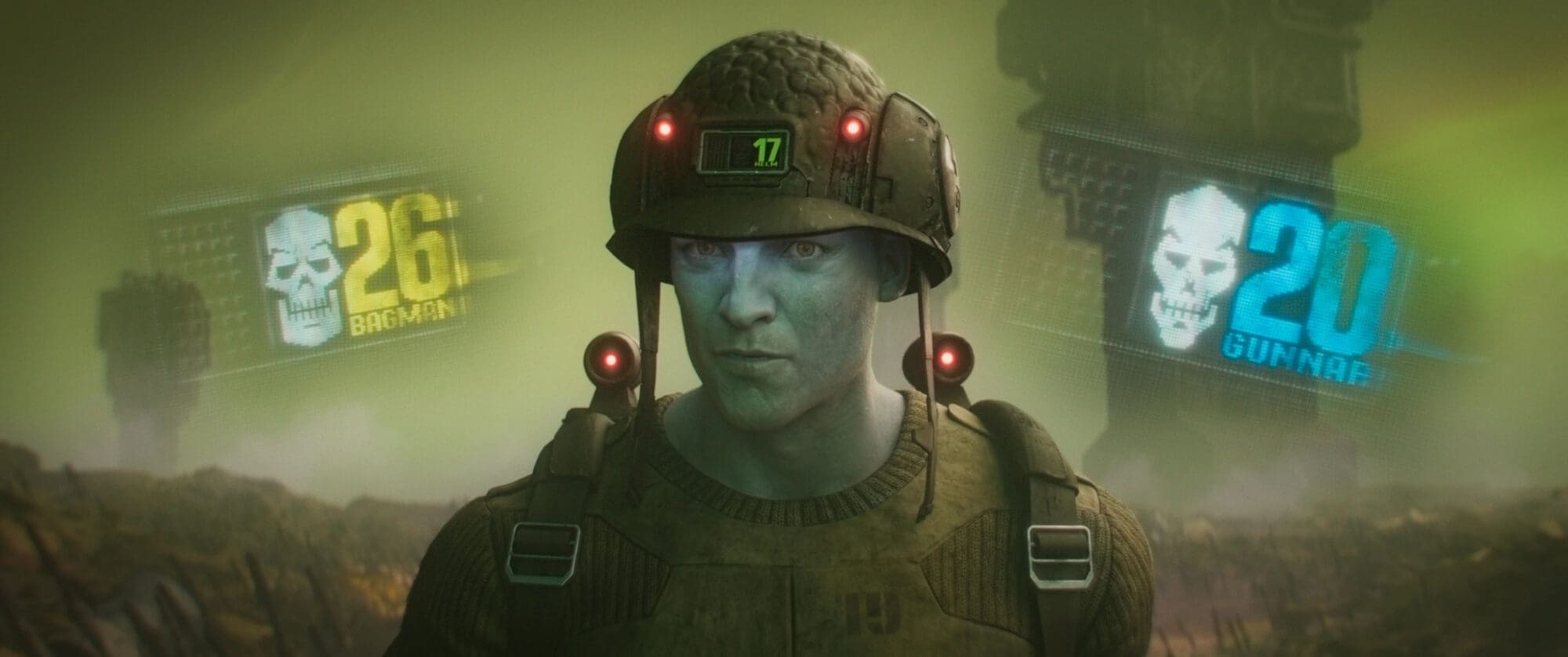
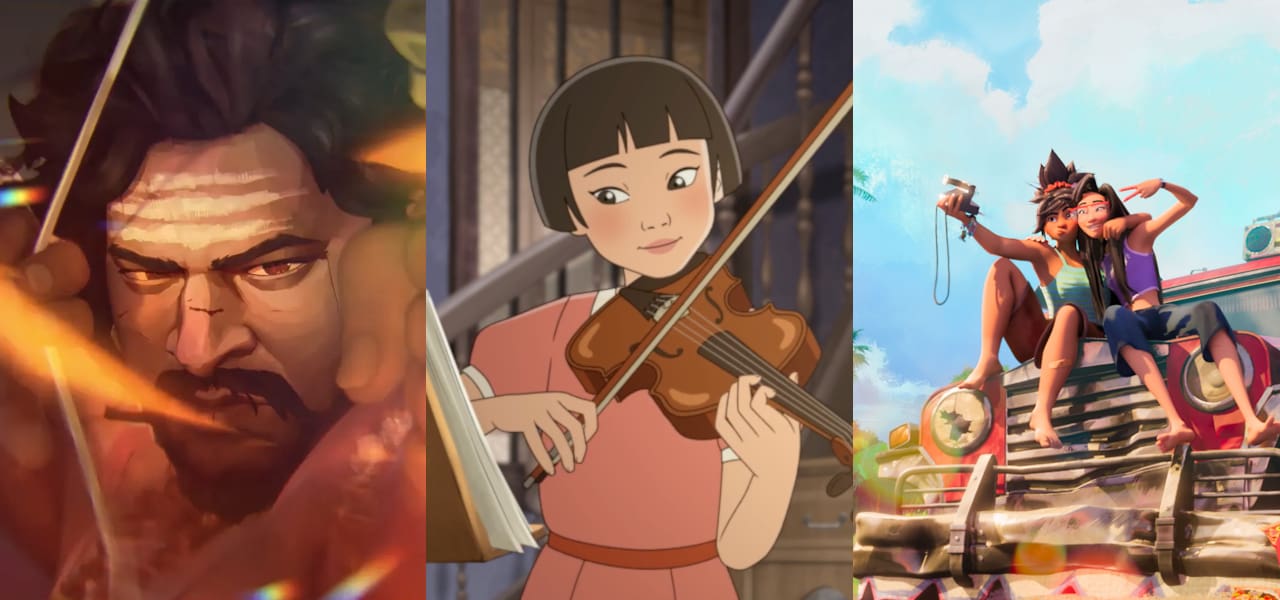
That same independent mindset extended into some of the week’s buzziest screenings. Duncan Jones’s Rogue Trooper is generating strong reviews after its Annecy premiere, while standouts like Tangles and The Violinist likely drew the eye of more than a handful of distributors. Sony saw enough in Iron Boy to pick it up around Cannes, while Netflix made In Waves one of Cannes’ biggest pickups before bringing the film to compete at Annecy.
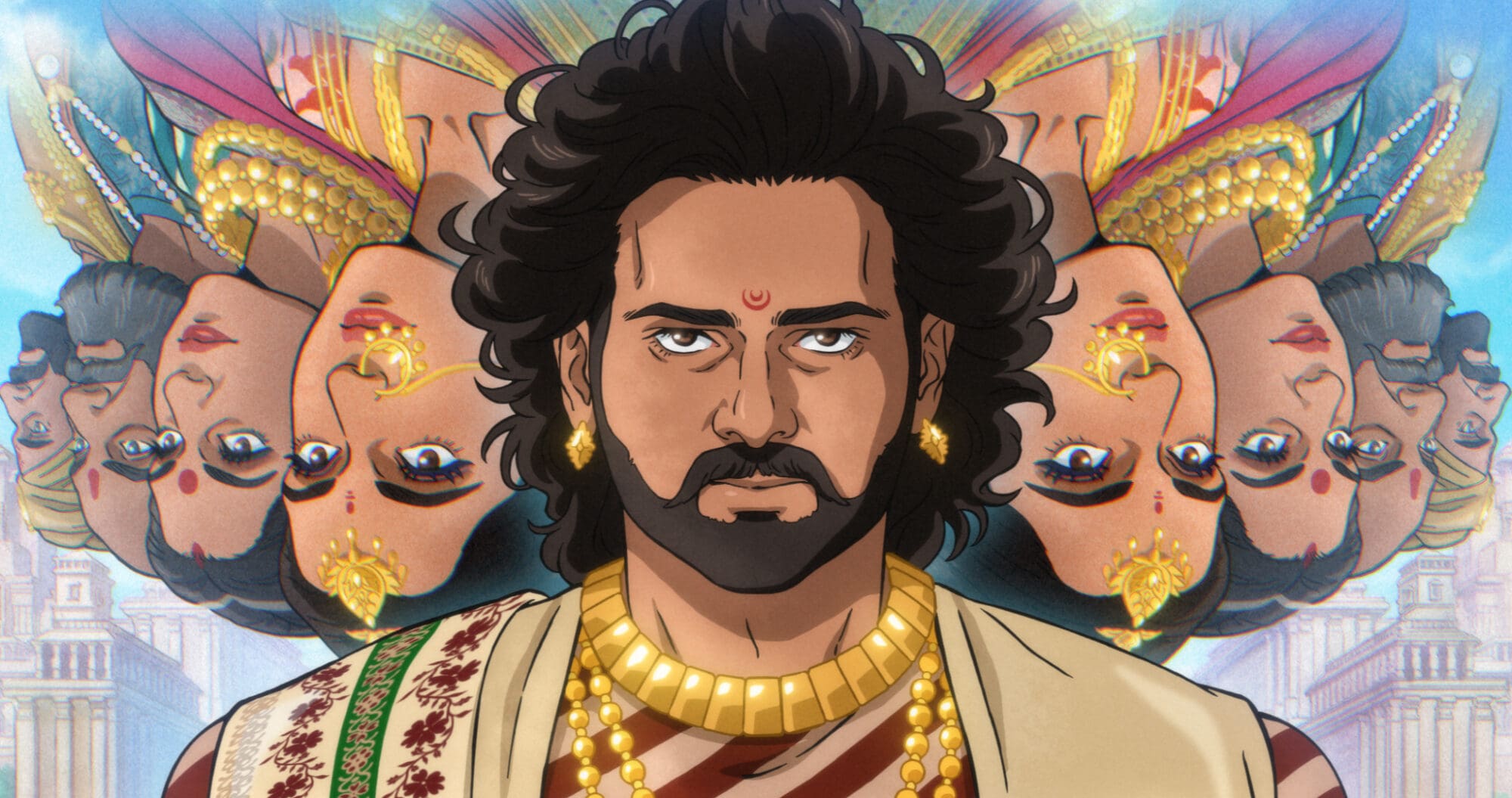
Upcoming titles like Ogresse, The Wolf, and Baahubali: The Eternal War are just a few indies that drew as much or more attention than big studio fare, along with countless projects presented throughout Mifa. This year’s Annecy vibe reflected a growing confidence that independent animation no longer needs to imitate Hollywood to compete with it. In fact, it’s probably the other way around.
Originals Dominated
Studio presentations remained major attractions, but this year’s lineups saw even the biggest players forefront originals over recycled IP.
DreamWorks arrived with what was arguably the week’s biggest sensation in Forgotten Island. The film’s surprise screening, announced only after the studio presentation, became one of the defining moments of the festival, ending with an emotional standing ovation that cleared more than five minutes and instantly elevated the film into the awards conversation.
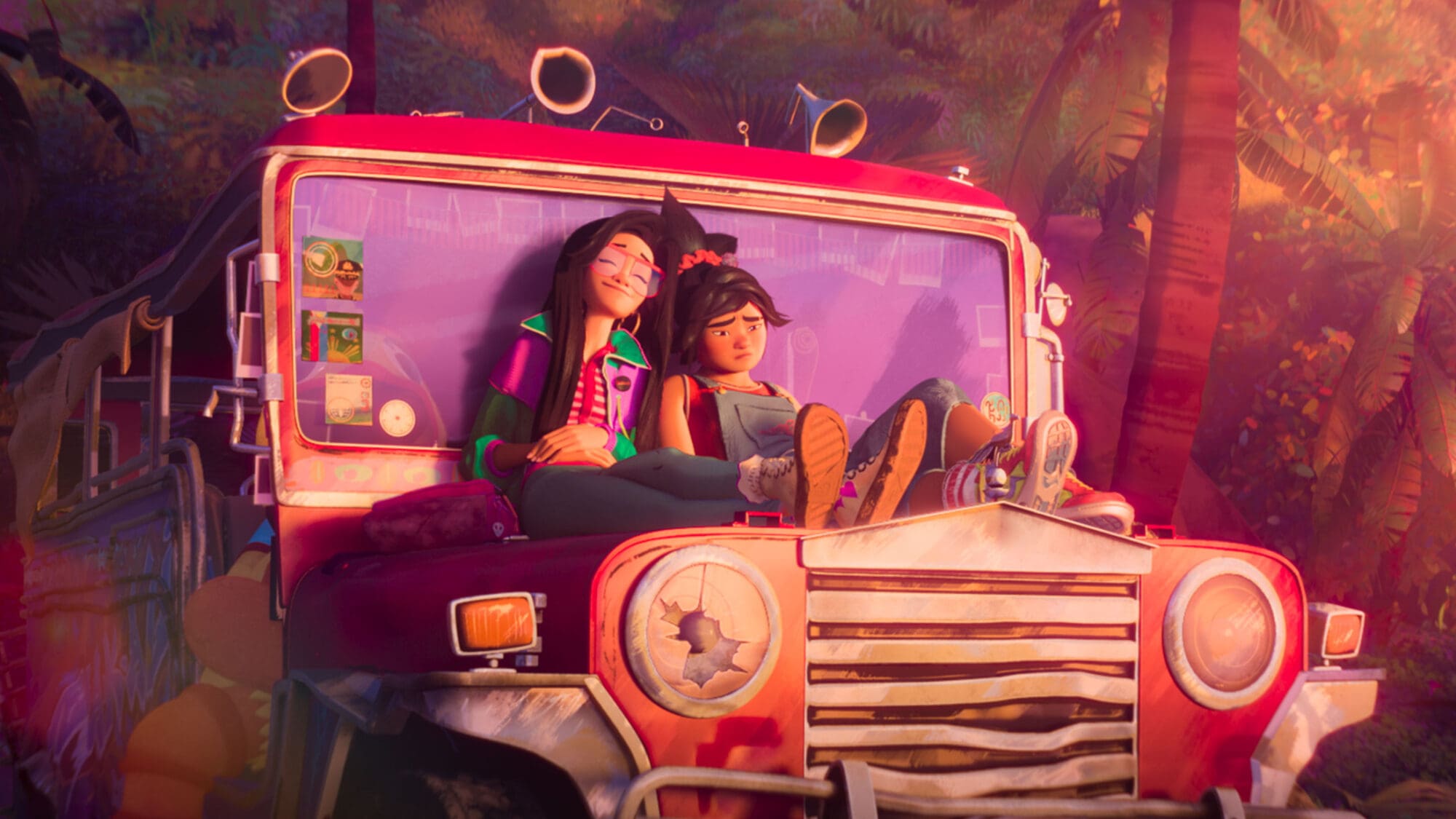
We’ve already touched on the warm receptions for films like Rogue Trooper, Iron Boy, and Tangles, while sneak peeks of Ray Gunn, Igi, and Punkrobot’s first-ever Annecy Presents audience award winner Brave Cat dominated conversations around town throughout the week. Laika’s Wildwood similarly impressed with its remarkable craft and a first-time Annecy visit from studio head and director Travis Knight.
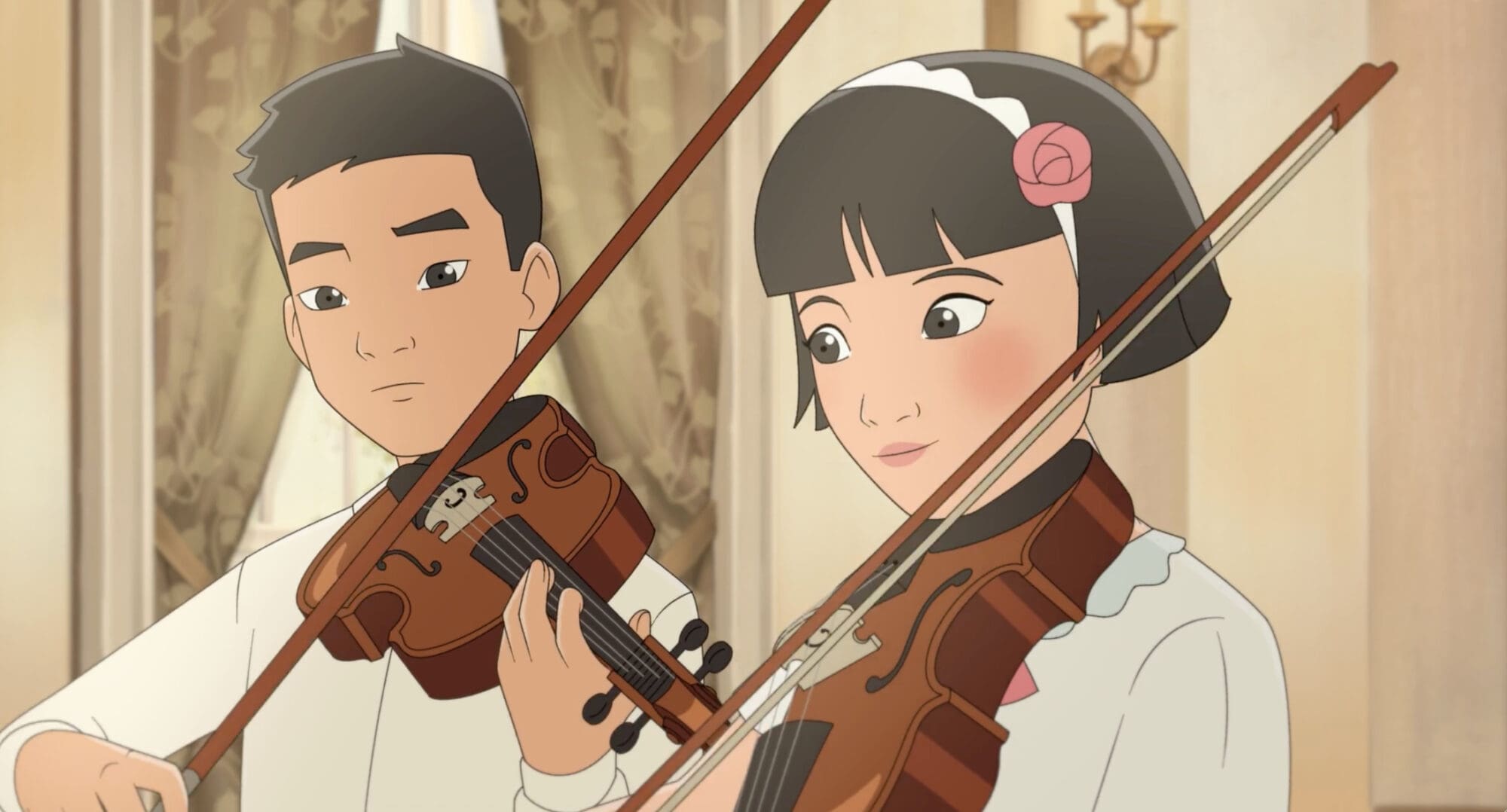
Then there was The Violinist.
Before Annecy, Ervin Han and Raúl García’s sweeping Singaporean epic sat largely outside the festival’s biggest conversations, although festival art director Marcel Jean did tell us it was “one of the best surprises I had in the in the selection process.”
By the time the Cristal ceremony concluded, that had changed completely. Winning Annecy’s top prize instantly transformed the film into one of the year’s most exciting international features and reinforced another trend that defined this year’s festival: that audiences remain deeply hungry for ambitious, original storytelling. No distributor is attached yet, but a Cristal win will surely lure several suitors.
Star Power
There was a time when Annecy primarily belonged to the animation community. Today, its focus is more evenly shared with the entertainment industry at large.
This year’s guest list underscored just how essential the festival has become to both longtime animation leaders and temporary passersby. Brad Bird, Guillermo del Toro, Alfonso Cuarón, Mike Judge, Audrey Tautou, Ricky Gervais, Nick Park, Peter Lord, Duncan Jones, Travis Knight, Chris Meledandri, Nikolaj Coster-Waldau, Jemaine Clement, and S.S. Rajamouli were a few of the global superstars who made appearances during the week.
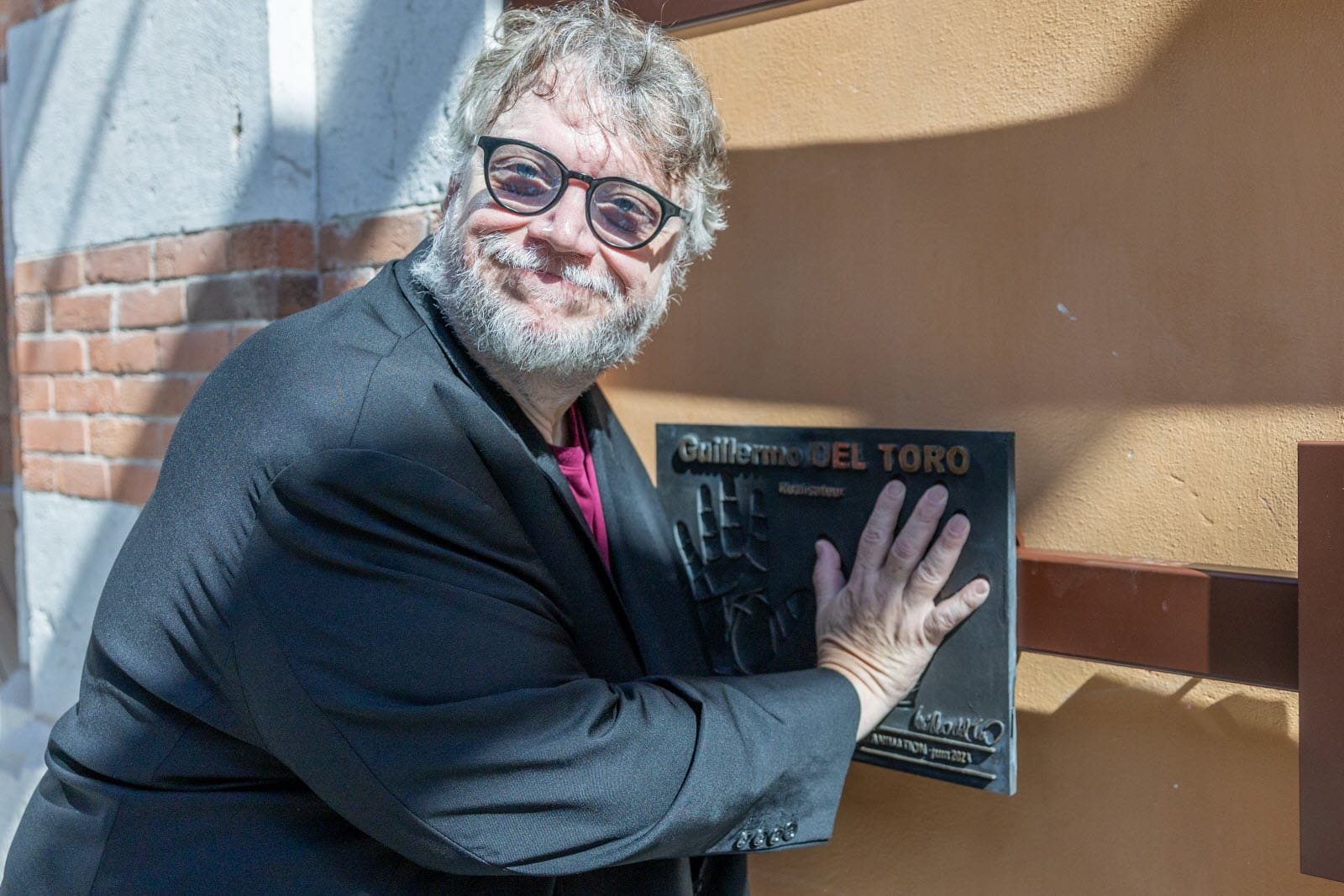
Some came to unveil new projects while others participated in conversations, accepted honors, or supported colleagues. Each reflected Annecy’s growing drawing power and its vital role in promoting and marketing films of all shapes and sizes.
AI Isn’t Going Away
If there was one subject capable of dividing rooms throughout the week, it was artificial intelligence.
Unlike previous years, however, the debate has become less about whether AI deserves to exist and more about what the industry’s response to it should be. The conversation increasingly appears to be splitting into two camps.
On one side are artists and filmmakers who believe generative AI has no place in animation, citing copyright concerns, the unauthorized use of artists’ work in training models, the threat the technology poses to creative labor, and the brutal toll it’s taking on an already strained environmental ecosystem, especially obvious during a week when France shattered temperature records and attendees were forced to migrate from tree to tree in the hopes of escaping the sun for even a moment while navigating the town’s streets and walkways.
For them, the only acceptable position is rejection.
In the other camp were creators who acknowledge those concerns but argue that AI is now an unavoidable reality. Rather than trying to stop its adoption entirely, they want to define the rules around it: where it can be used, where it shouldn’t, how artists should be compensated when their work is used to train models, and how human creativity remains at the center of the process. One needed look no further than the halls of this year’s MIFA to see booths from several tech companies that either proudly advertise their use of AI in their software or have integrated it in a less obvious way.
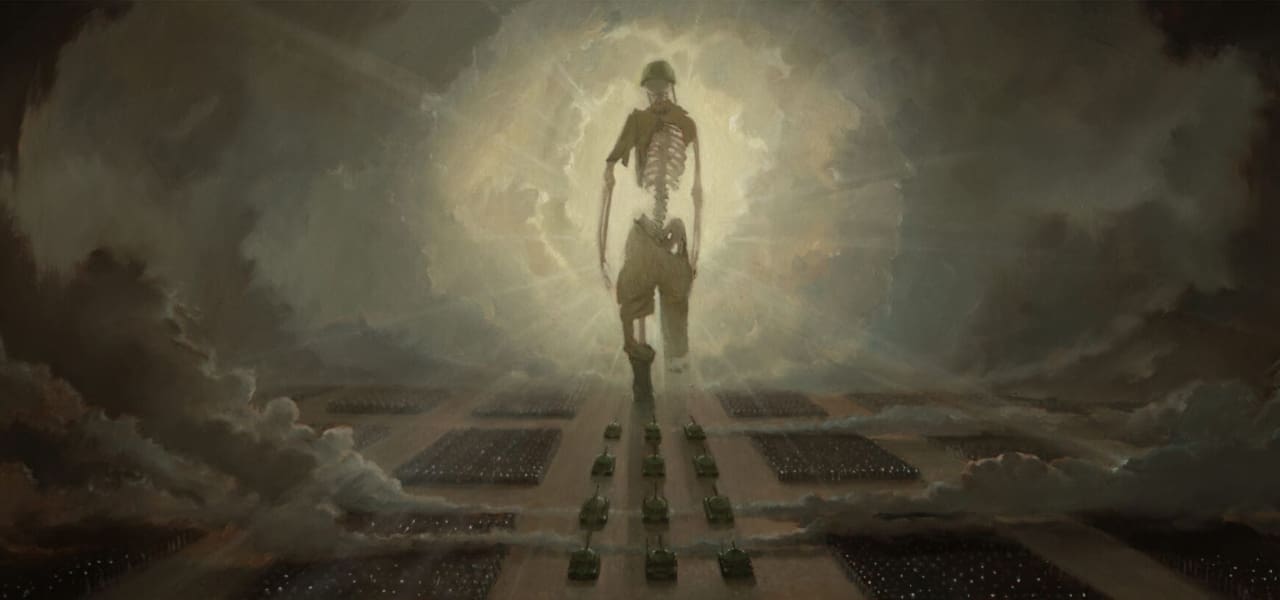
Those tensions were on full display during Hisko Hulsing’s world premiere of Danse Macabre, which drew loud boos and jeers from the crowd, inspiring a strongly worded response from Annecy’s artistic director Marcel Jean. Few sessions sparked more hallway conversations after the lights came up.
If Annecy offered any clear takeaway, it wasn’t that the industry is moving toward consensus. In fact, it’s quite the opposite, as lines are becoming more clearly drawn.
Cautious Optimism
That said, perhaps the biggest takeaway from Annecy 2026 was a sense of optimism that permeated much of the year’s festivities.
Despite ongoing economic uncertainty, the festival rarely felt consumed by anxiety. Conversations focused less on layoffs and cancellations than on new financing models, international partnerships, technological innovation, and sustainable production practices. It helped that the quality of work, both finished and in progress, felt as strong as ever.
This year’s crowds reflected that energy. Screenings received raucous ovations from sold-out audiences, industry panels overflowed, and nightly gatherings on canal bridges next to Capitan Pub and Café des Arts had a heightened energy this year, which was only boosted by France’s World Cup run.
For one week every June, Annecy serves as a snapshot of where animation stands. This year, it offered hope that things may be shifting in the right direction as the business of animation continues to evolve.
That isn’t to suggest the industry’s troubles are behind it. Financing remains difficult, distributors and streamers are still buying fewer projects than they were only a few years ago, and many artists continue to grapple with layoffs, prolonged production gaps, and uncertainty about where the next job will come from. Adding to that unease was the specter of Paramount’s potential acquisition of Warner Bros. Discovery, a deal many attendees viewed as another possible step toward consolidation in an industry already struggling with too few buyers.
Those concerns lingered throughout the week, though they never threatened to define it.
Looking Ahead
Hopefully, this year’s optimism will carry into next year’s festival, which runs June 13-19. Annecy’s 2027 edition will mark the return of the fest’s Country of Honor program, with Colombia set to take center stage.
If this year’s edition proved anything, it’s that animation’s future will be shaped by more voices, more countries, and more ways of making films than ever before. At least that’s how we felt as the Cartoon Brew team dispersed after an energizing week in the French Alps.
View this post on Instagram